
-PRESS RELEASE-
Psychosocial care has become a fundamental component in lung cancer treatment. Insights from the BREATH Program demonstrate that emotional connection, consistent support, and professional guidance significantly boost mental resilience, reduce the burden of the disease, and improve the quality of life for people impacted by lung cancer and their families.
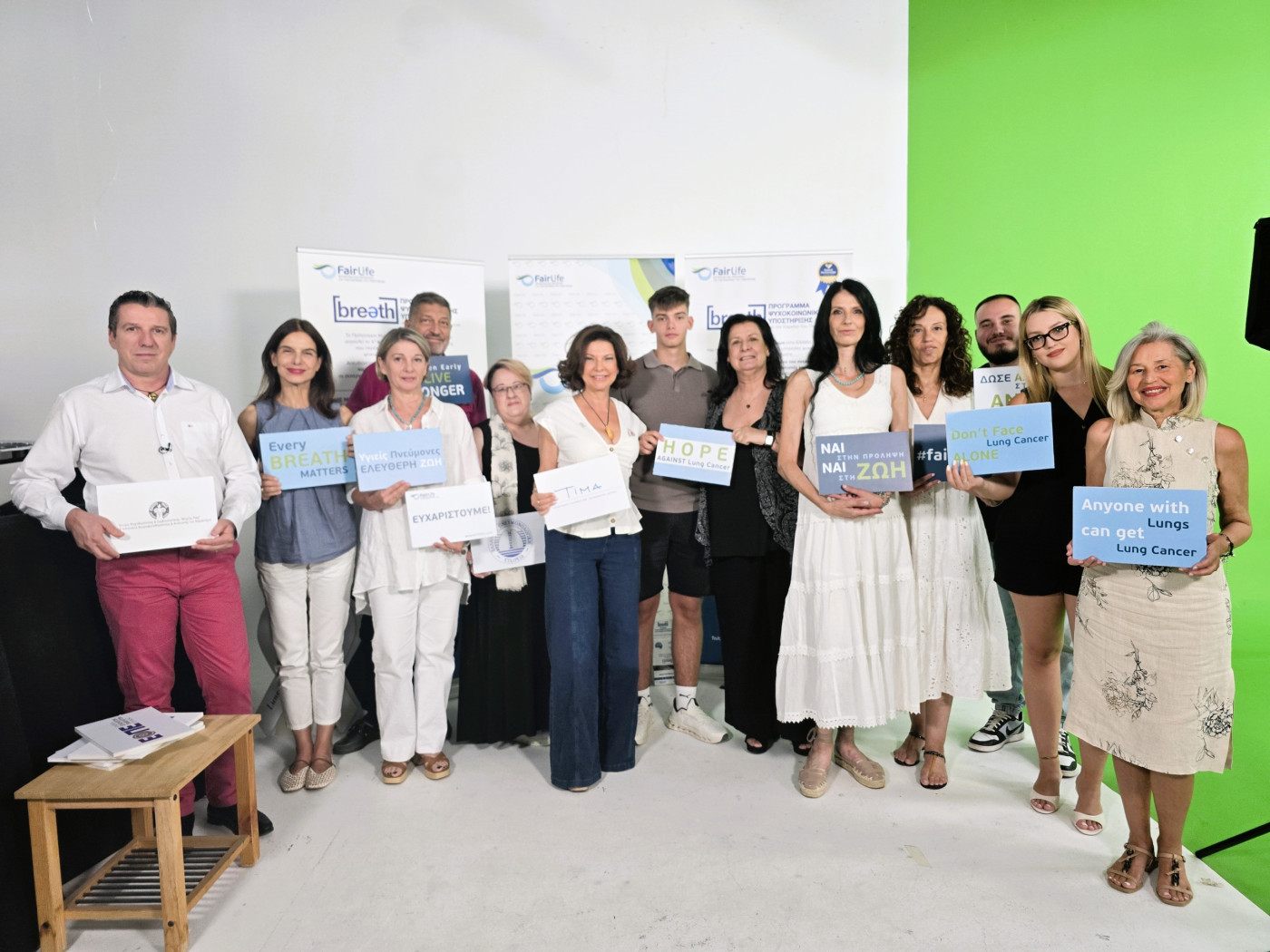
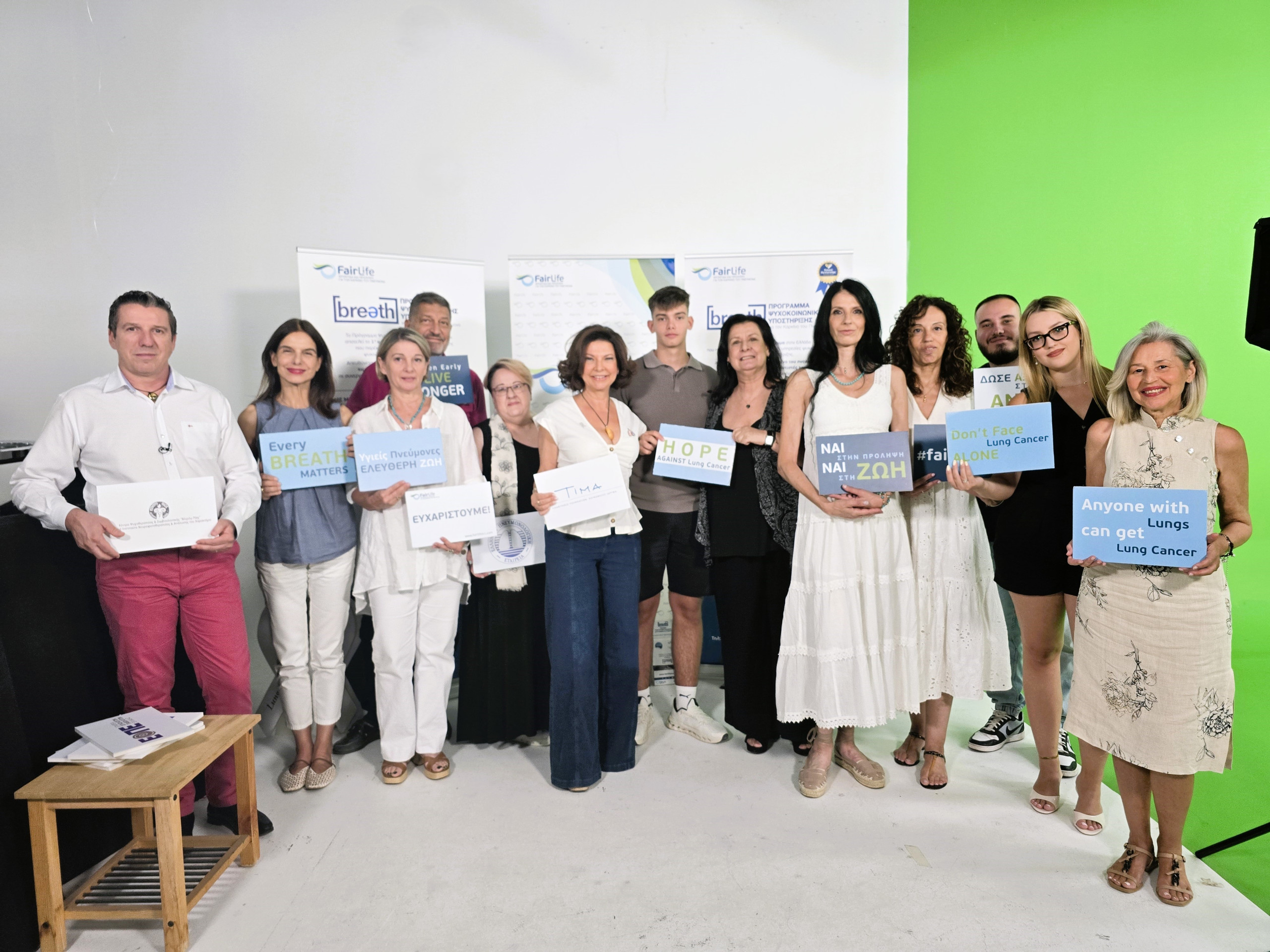
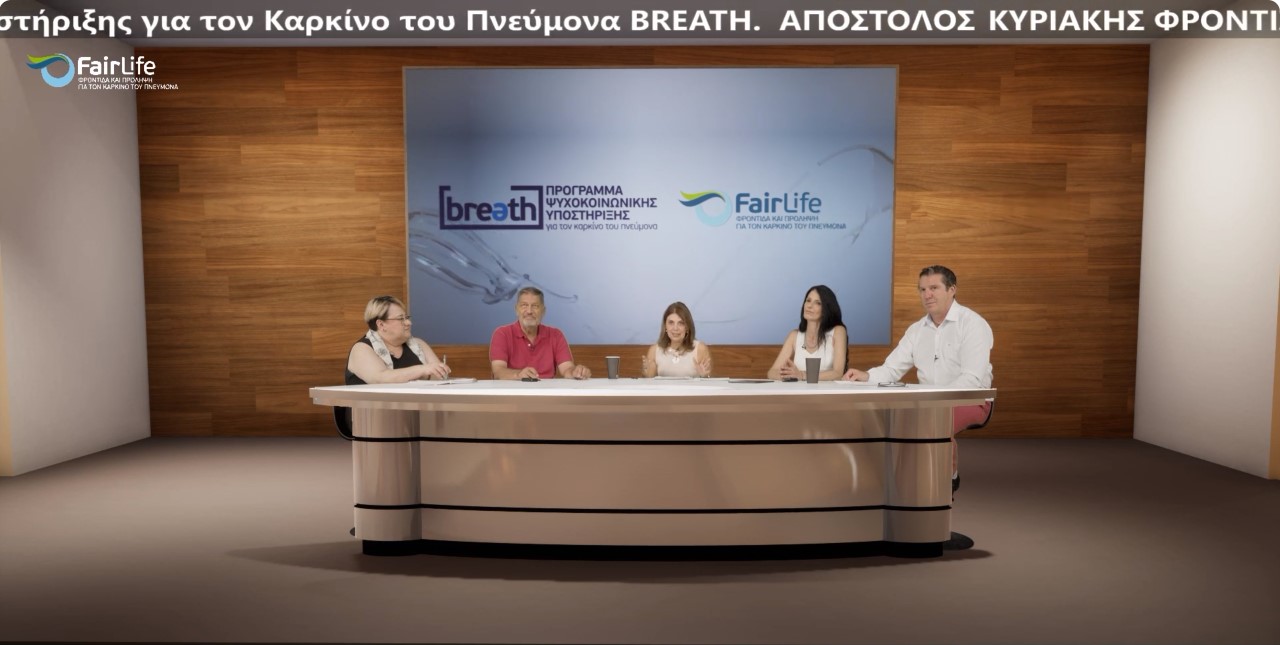
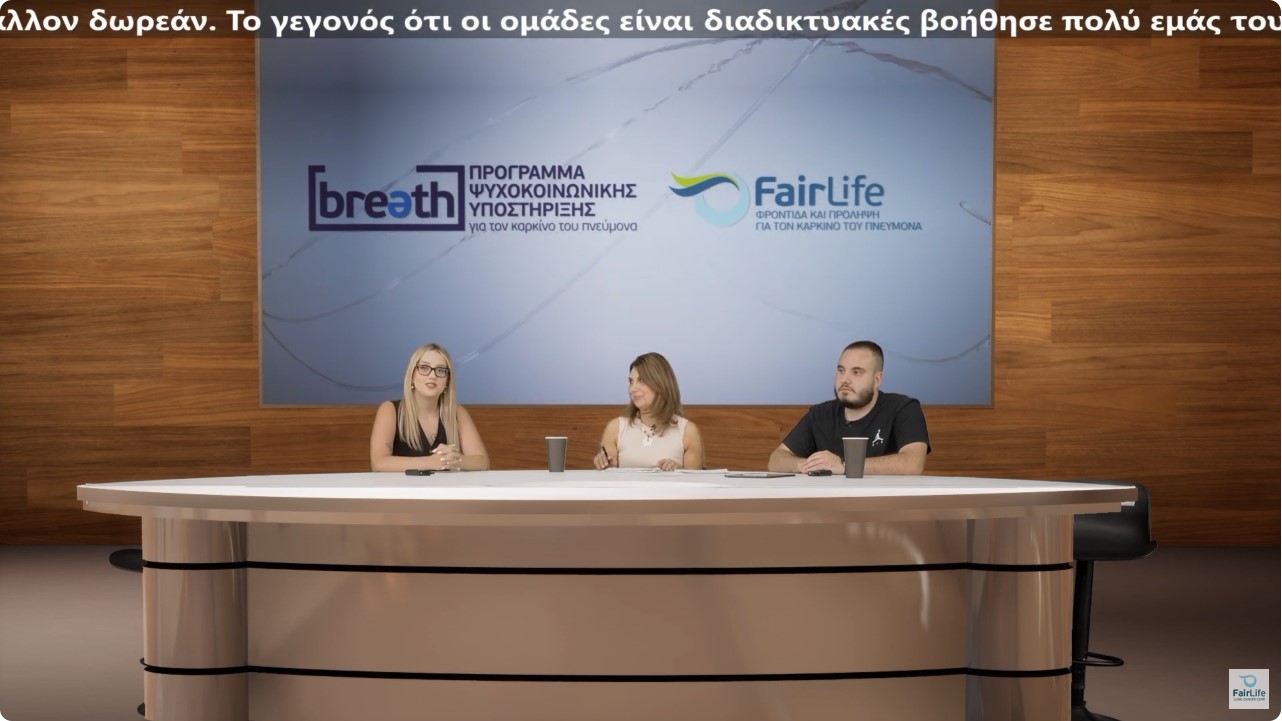
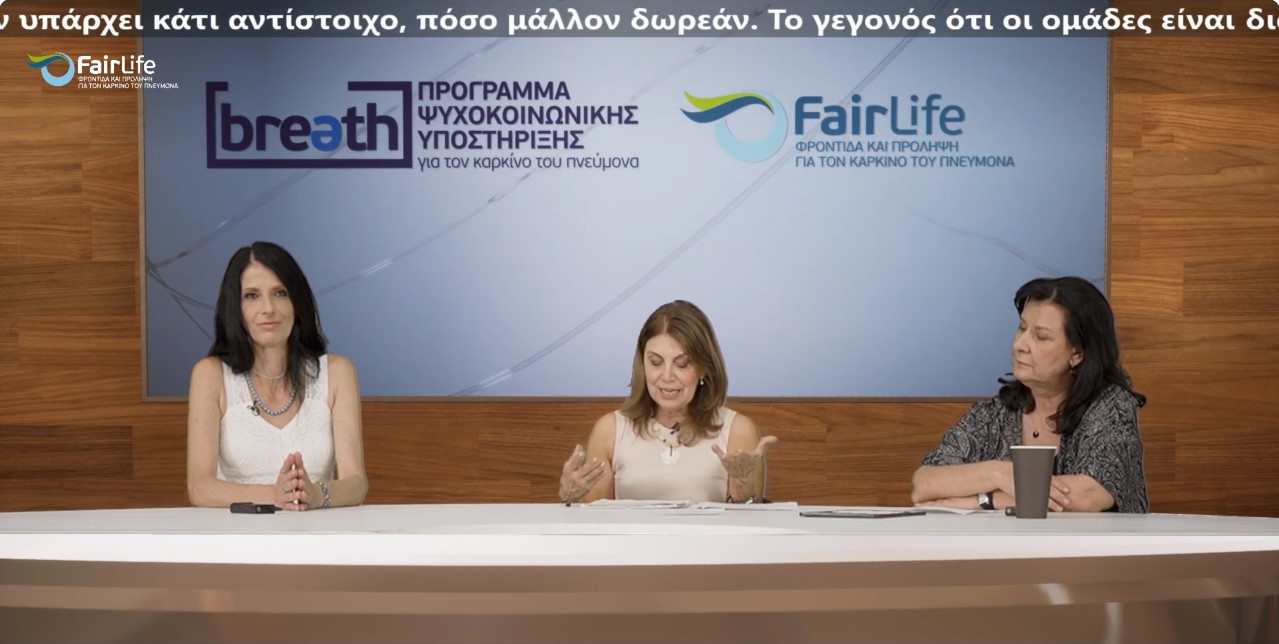
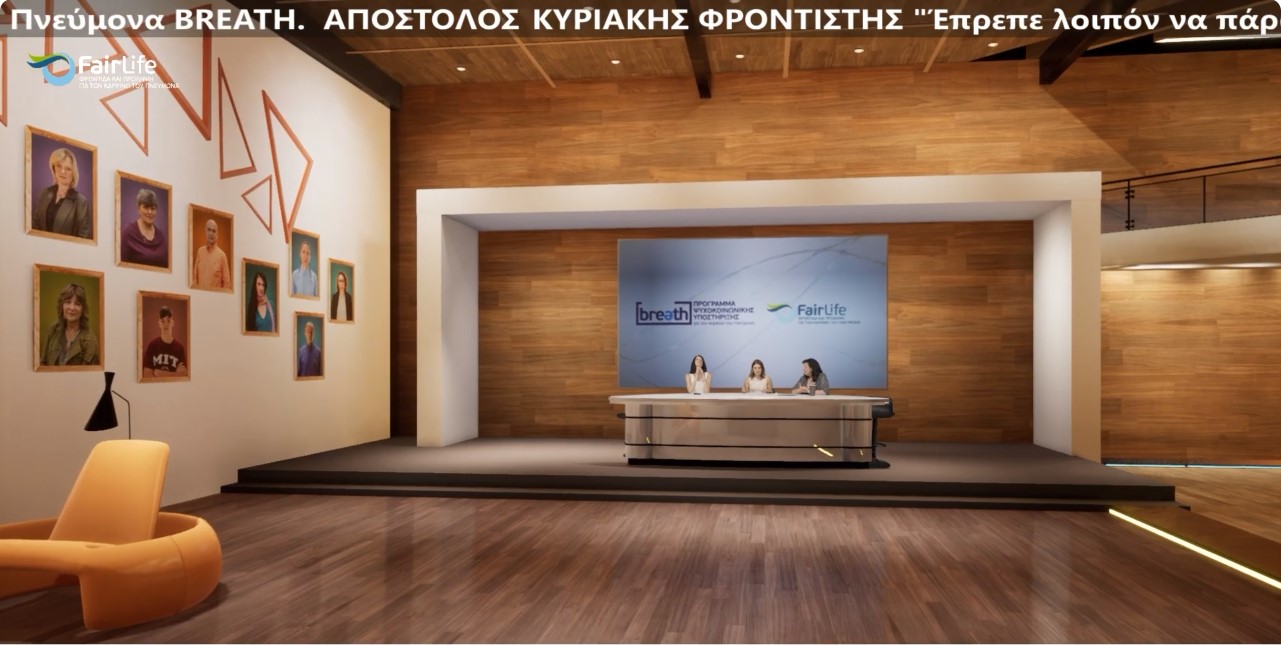
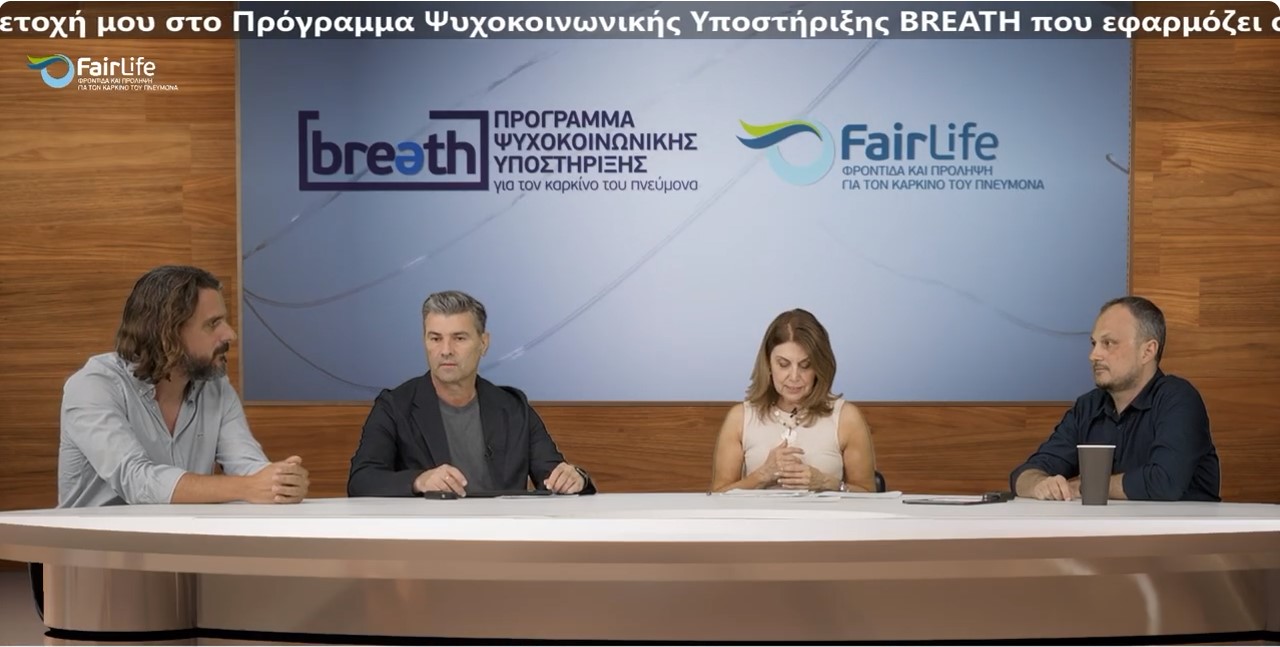
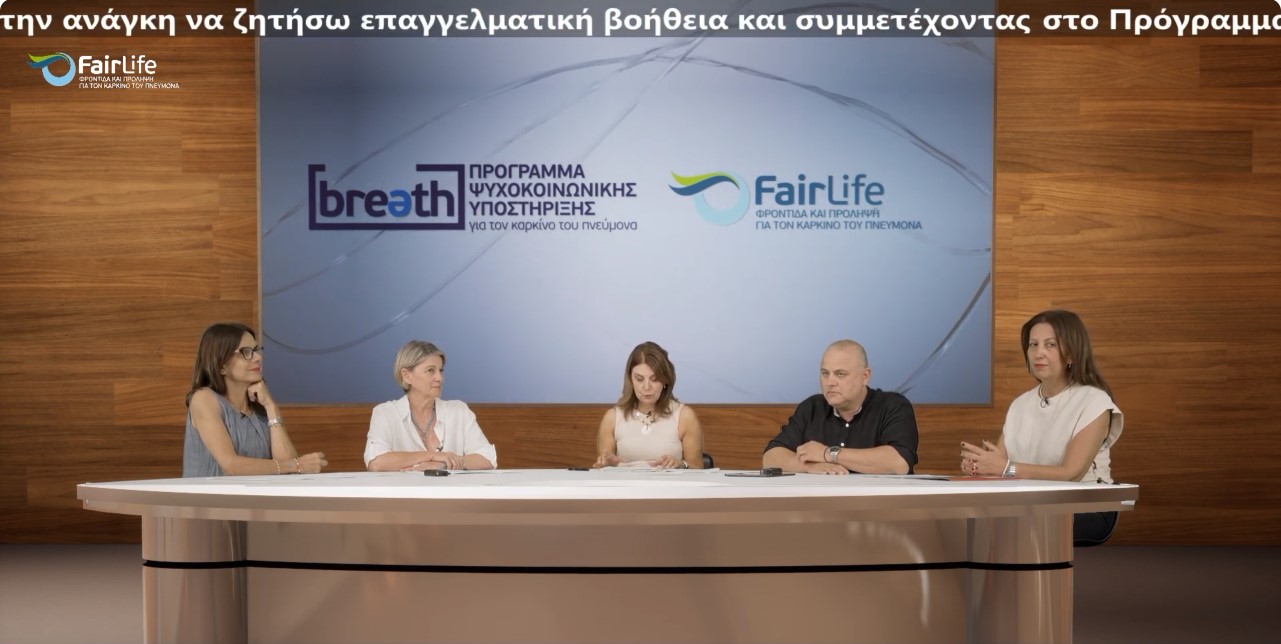
The informative webinar “Living with Lung Cancer: the Power of Psychosocial Support”, organized by FairLife Lung Cancer Care as part of the BREATH Psychosocial Support Program, was successfully held on Wednesday, July 2, 2025, from 18:00 to 20:30.
The webinar attracted over 1,200 online participants, with 22 speakers and commentators—including members of the scientific community, mental health professionals, patients, and caregivers—actively contributing to a rich and meaningful dialogue.
The award-winning BREATH program is an innovative initiative that offers free psychological and social empowerment to lung cancer patients and their caregivers, throughout Greece. To date, FairLife L.C.C. has provided 6,119 hours of support to 1,105 beneficiaries, highlighting the key role of the program in improving the quality of life of participants.
The aim of the event was to highlight the importance of a holistic approach to oncology care and the vital necessity of psychosocial support in the course of the disease. A diagnosis of lung cancer is often accompanied by intense psychological burden for patients, caregivers and families, and managing emotions such as anxiety, depression and fear is crucial to the effectiveness of treatment and the overall well-being of people living with the disease.
The webinar featured:
- Presentation of the BREATH program results
• Insights from mental health professionals, doctors, and oncology-experienced nurses
• Testimonials from members of patient, caregiver, and bereavement support groups
• Introduction of new support group initiatives
• A discussion on the importance of holistic care in lung cancer management
The event was coordinated by journalist Ms. Natassa Spagadorou.
Participation was free and the event was broadcast live on the official channels of FairLife L.C.C. on Facebook and YouTube.
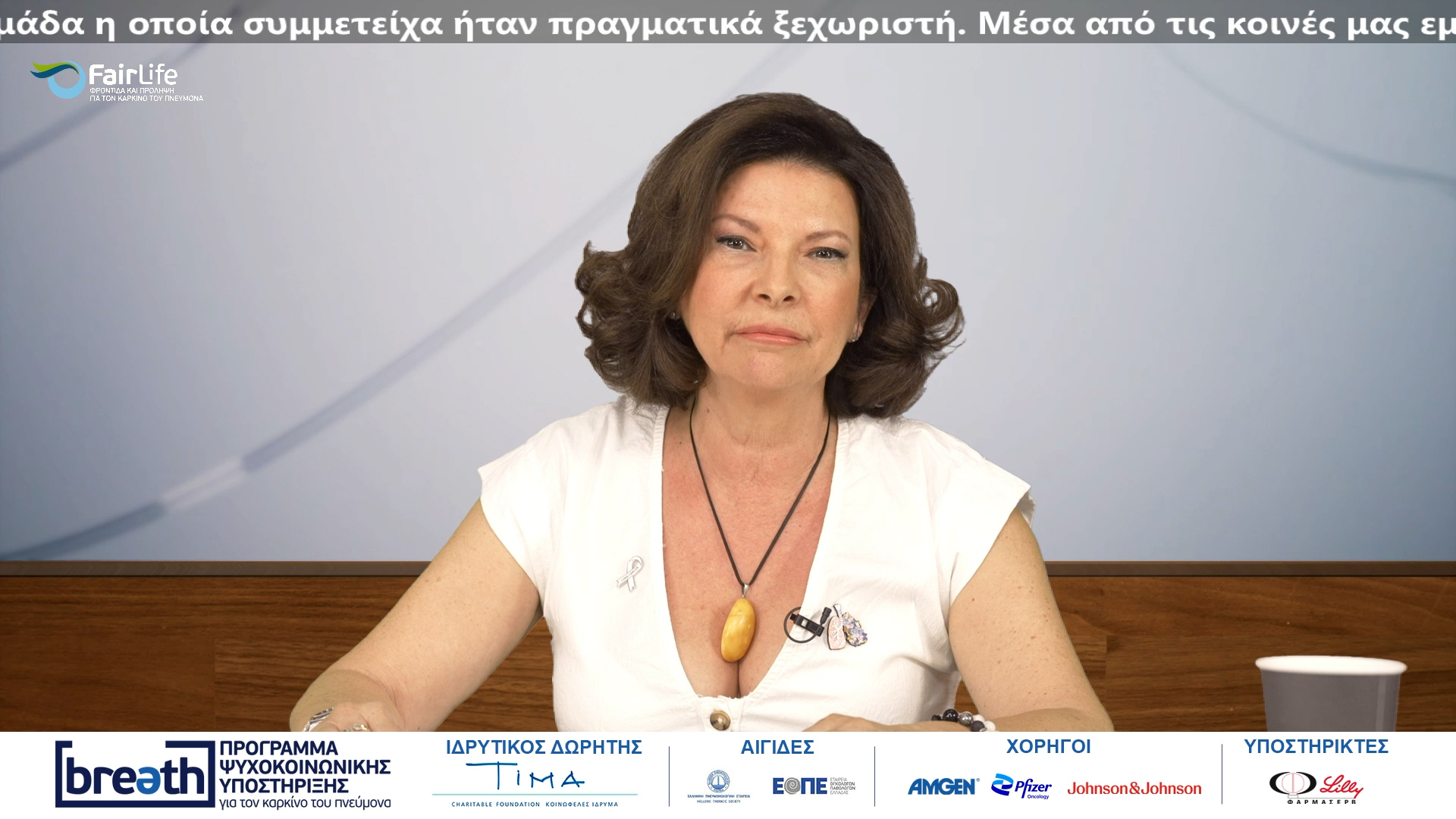
“Prevention and health are not a cost, but an investment,” emphasized Ms. Korina Pateli-Bell, President of FairLife Lung Cancer Care, in her welcome address, highlighting the development and impact of the free, multi-award-winning BREATH Psychosocial Support Program. She spoke about the program, which was designed based on her personal experience as a caregiver for her husband and has helped over 1,100 patients and caregivers in a total of 6,119 hours of support. She pointed out the importance of the geographical dispersion of beneficiaries, nationwide, beyond the major urban centers. Special emphasis was given to collaborations with mental health organizations and professionals, as well as to the increase in groups and hours of support, an element indicative of the program’s dynamics and effectiveness. Finally, Ms. Pateli-Bell called on the State to recognize the social impact of BREATH and to proceed with institutional support for the program, in order to ensure its sustainability, emphasizing that psychological support is not a luxury but a human right.
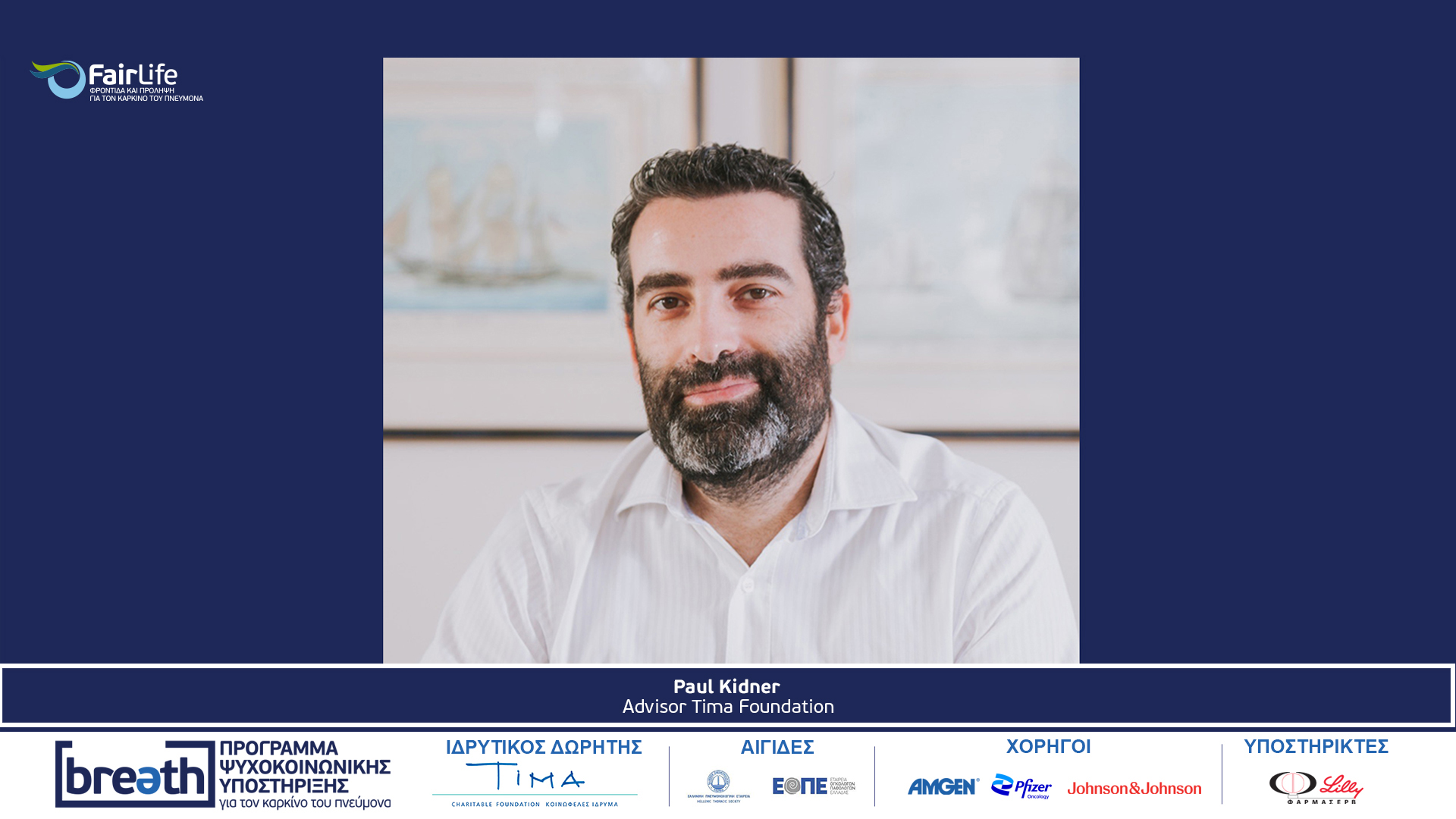
Mr. Paul Kidner, Advisor to the Tima Foundation, emphasized the significance of supporting FairLife L.C.C.’s BREATH program for a 3rd consecutive year, noting the vital support it provides to individuals living with lung cancer — the deadliest and often most “invisible” form of cancer. As he stated, BREATH is a comprehensive intervention that fills the gap in information and psychosocial care for patients, caregivers and families. Mr. Kidner recognized the contribution of FairLife L.C.C. in highlighting the importance of human contact and empowerment, alongside medical treatment and referred to the consistent presence of TIMA Charitable Foundation in the field of social contribution.
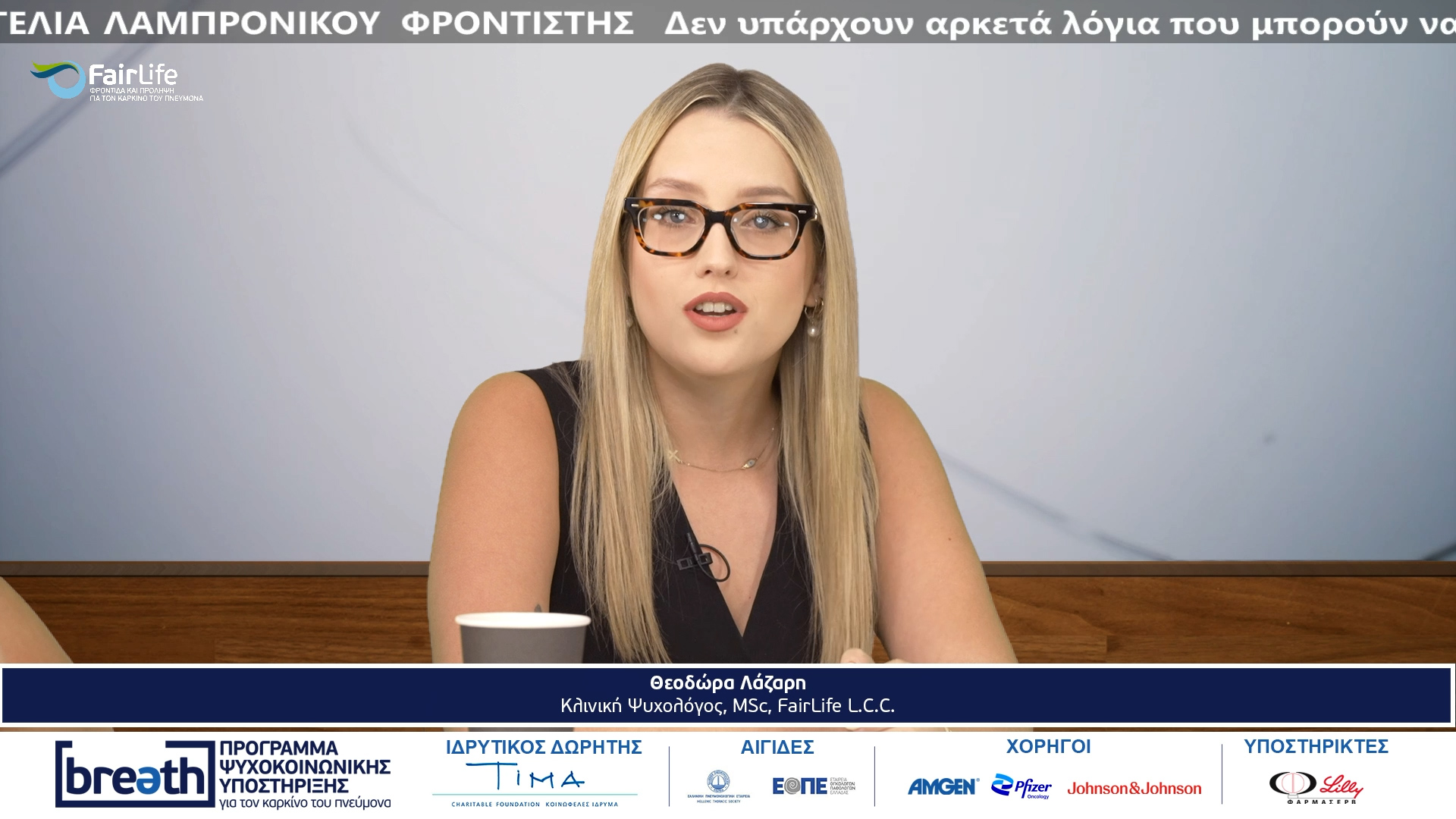
Ms. Theodora Lazari, Clinical Psychologist and MSc Psychotherapist, presented detailed insights into the BREATH Program, highlighting the vital role of human connection and accessible support. She outlined the profile of beneficiaries, discussed the use of anonymous questionnaires to assess their needs, and addressed key challenges faced by the program — including low male participation (with 81% of participants being women aged 45–64), the need for additional volunteer psychologists, technical and logistical access barriers, and the importance of supporting the professionals providing care. She also outlined the program’s future objectives: expanding the psychologist network, continuing and growing the FairYouth initiative, renewing the Self-Care Group, and launching the Buddy System — a support program connecting former patients with newly diagnosed individuals.
In a deeply moving statement, FairLife L.C.C’s volunteer, Mr. Eric Bell, shared his personal story of losing his father, Simon, to lung cancer at the age of 12. He spoke about the stigma often associated with the disease and the social prejudices that unjustly affect those living with it, stating: “No one deserves cancer—whether they smoked or not.” He emphasized that cancer does not discriminate and highlighted the critical need for psychological support: “Not everyone has to be a steel soldier. Even soldiers need help. If you feel the need to talk, do it. It’s your right—and your duty. Because if you’re in pain, staying silent does not honor the person you’ve lost.”
Ms. Marilena Komi, Honorary President of the “Wilhelm Reich” Psychotherapy & Counseling Center—Psychoeducator, Psychotherapist, and trainer in Body Psychotherapy (EABP, ECP)—referred to psychological support as “an antidote to cancer,” highlighting its essential role in the healing process. Ms. Komi presented the work of the “Wilhelm Reich” Center and focused on the importance of psychotherapeutic groups for patients, caregivers and bereaved people in the context of the collaboration with FairLife L.C.C. As she mentioned, during the period 2024–2025, 6 grief groups were implemented, 4 for patients and 3 for caregivers, all online, with the aim of emotional support, cultivating resilience and strengthening the sense of “belonging”. She spoke about the importance of psychological support, as chronic stress also negatively affects the physiology of the individual. She emphasized the importance of defining boundaries in care relationships, processing loss as a path towards life, and instilling hope in patients. Finally, she announced that in the coming period, the groups will be strengthened in scope and duration, with the aim of further meeting the needs of the beneficiaries.
Ms. Evgenia V. Gintoni, Psychologist, MSc, M.Ed. Dr. Clinic of Neuropsychology, University of Crete, Researcher, Department of Medicine, University of Patras, in her presentation, focused on the effects of lung cancer on the cognitive function and mental resilience of patients. Based on recent scientific data, she presented the psychological and neurocognitive challenges that patients face, as well as the available interventions that can enhance their functionality, emotional regulation and adaptive capacity. She placed particular emphasis on the crucial role of psychological support and the dynamic relationship between patient and caregiver, within the context of a holistic and person-centered approach to care.
“We’re not simply guides who lead others to a destination we’ve already reached. We walk alongside them—as fellow travelers on the same path“, emphasized Mr. Vangelis Stamatoglou, Mental Health Counselor, Body Psychotherapist, “Wilhelm Reich” Counseling and Psychotherapy Center. Mr. Stamatoglou referred to the emotional journey of the grief groups he coordinates within the framework of the BREATH program, emphasizing that the most significant result is the gradual transformation of pain into acceptance and hope. He spoke about the techniques he uses and explained that the creation of bonds, safety, acceptance and honesty are the foundations on which the therapeutic process is built. Finally, he emphasized the importance of offering time and space for grief—contrary to society’s attitude.
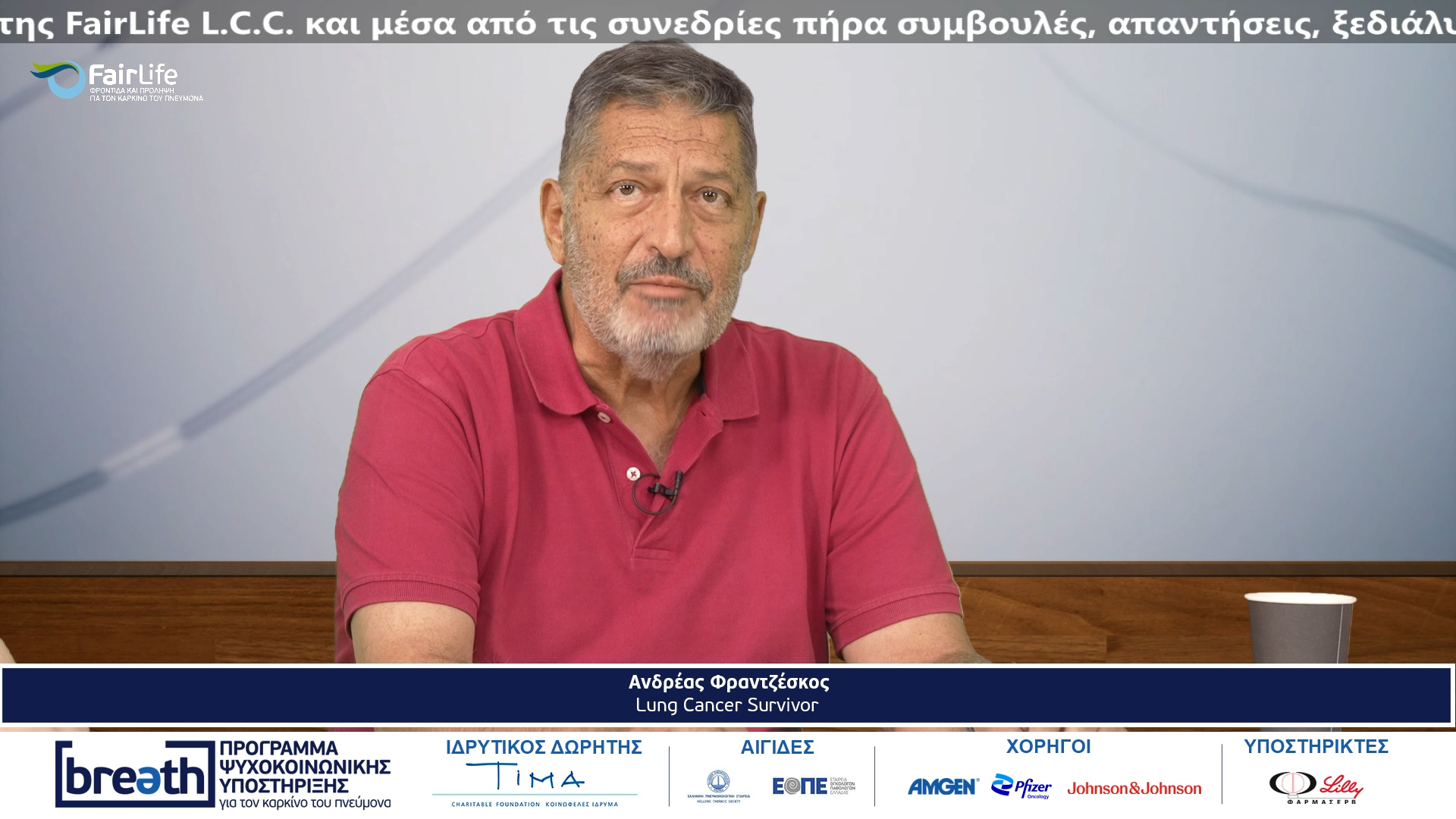
“For me personally, FairLife L.C.C. and the BREATH program are a turning point in my life,” emphasized Mr. Andreas Frantzeskos, Lung Cancer Survivor, speaking about his journey after diagnosis, the numerous chemotherapies despite being positive for the ALK mutation, the second medical opinion and the targeted molecular therapy that changed his life. He emphasized the value of proper information, seeking specialized doctors, but also emotional support, both from family and from groups of people with common experiences. Mr. Frantzeskos called on every patient to seek help, emphasizing that cancer is not a taboo, but a demanding – but not invincible – disease.
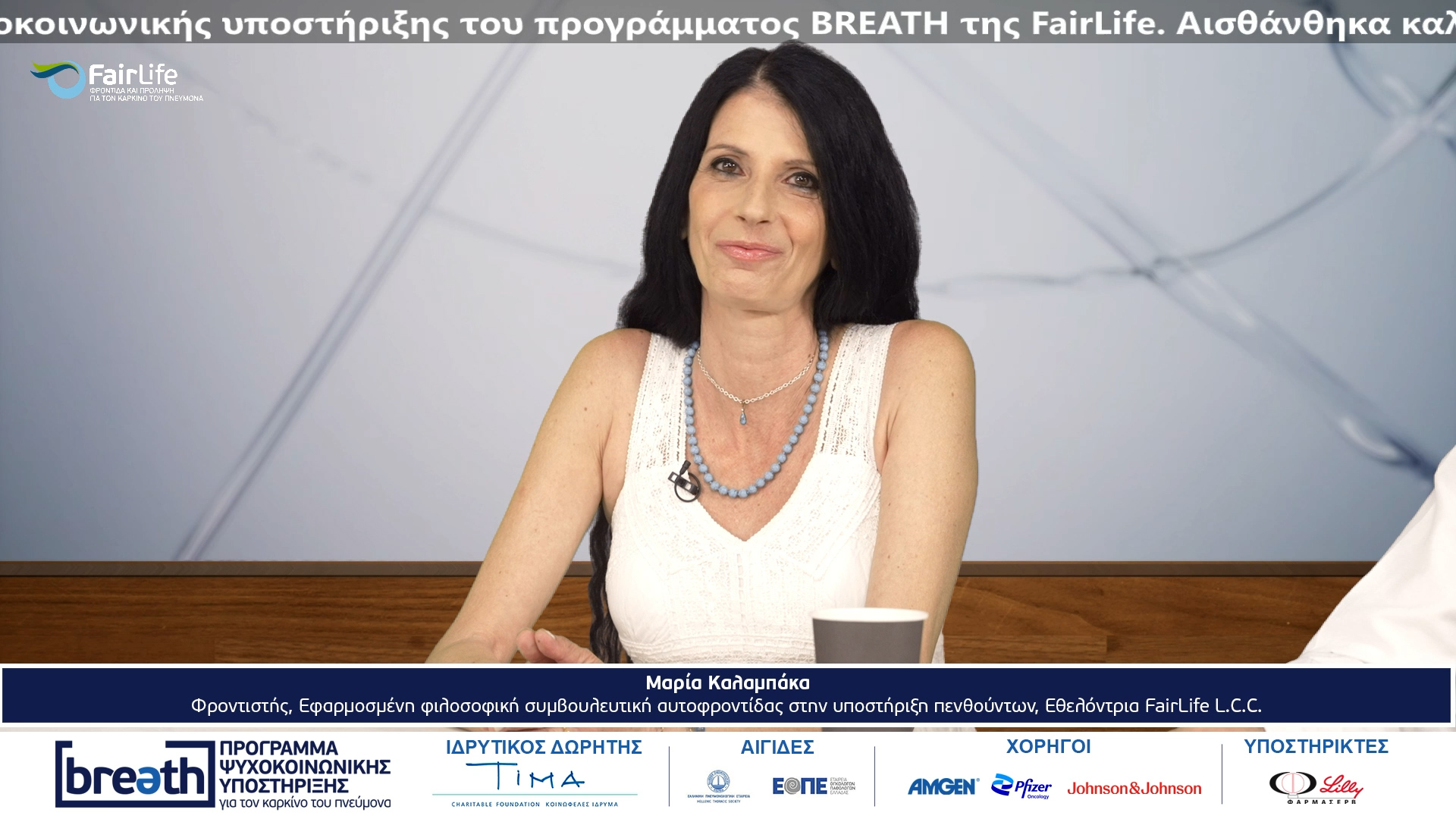
Ms. Maria Kalabaka, Caregiver, Applied Philosophical Self-Care Counselor for the Bereaved, and FairLife L.C.C. volunteer, described the BREATH Program as “Breath in the midst of suffocation.” She shared her deeply personal journey of grief, having faced multiple losses of loved ones to lung cancer and other related cancers. Ms. Kalabaka spoke about loneliness, existential exhaustion, and the need for human connection and emotional support, highlighting that what she longed for most was “a hand to remind her: you are not alone.” As the newly appointed coordinator of the “Paths of Life” group, she stressed that the aim is not to “heal” loss but to embrace it and foster self-care as a lifelong practice. In her own words, “to stand tall amidst loss is perhaps one of humanity’s greatest acts of courage.”
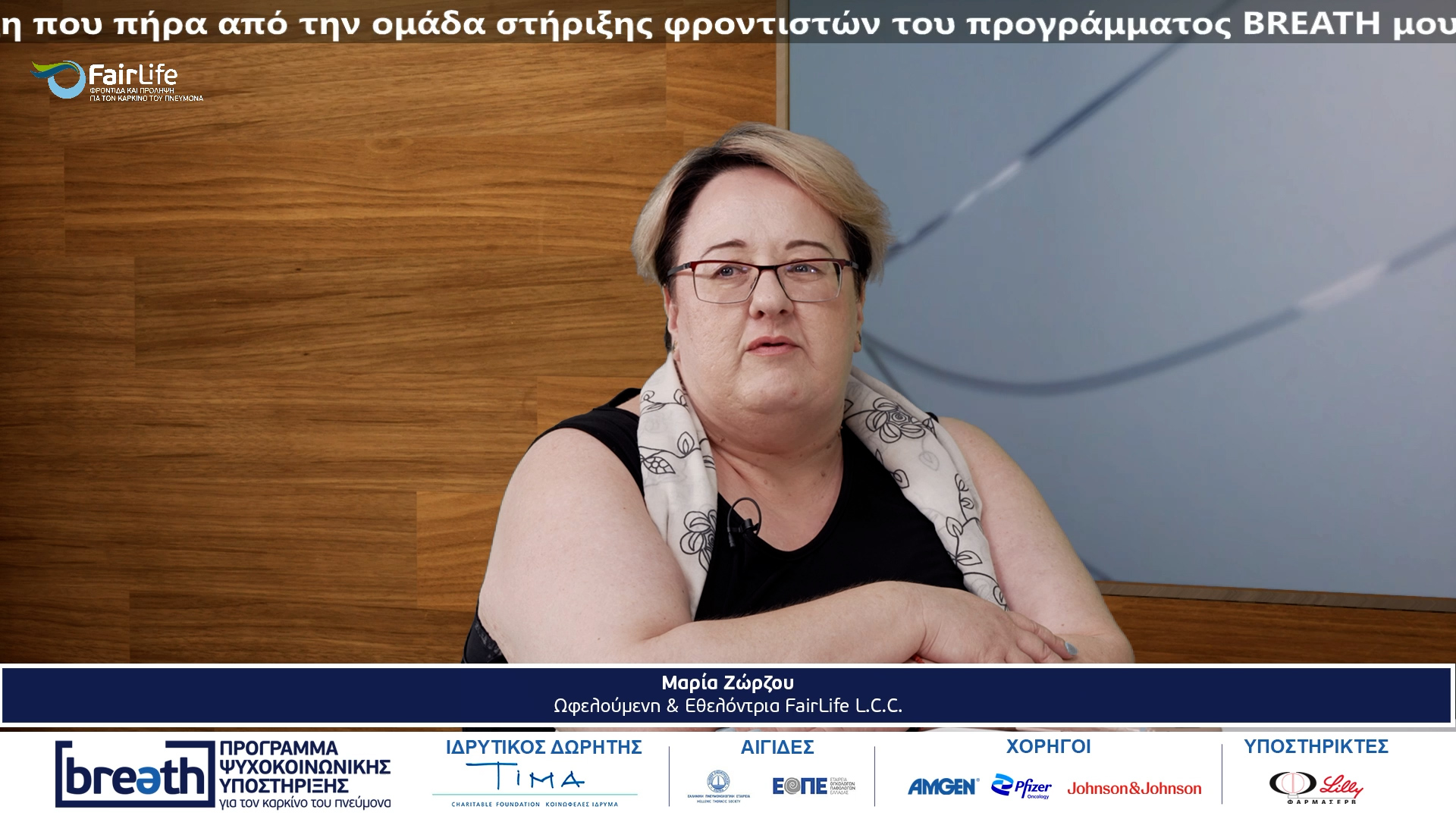
Ms. Maria Zorzou, Grief Group Member, FairLife L.C.C. volunteer, referred to her deep personal experience of grief after the loss of her brother to cancer, emphasizing the importance of support and companionship from both family and friends as well as from the BREATH program Grief Group. She explained that the support her family received was vital in helping them avoid the isolation often felt in grief. Through her involvement in the group, she felt strong connections with other members. In closing, she highlighted the healing power of participation and sharing, encouraging those who are grieving not to hesitate in seeking help: “Rest assured, grief will gradually ease through the support and processes within the groups.”
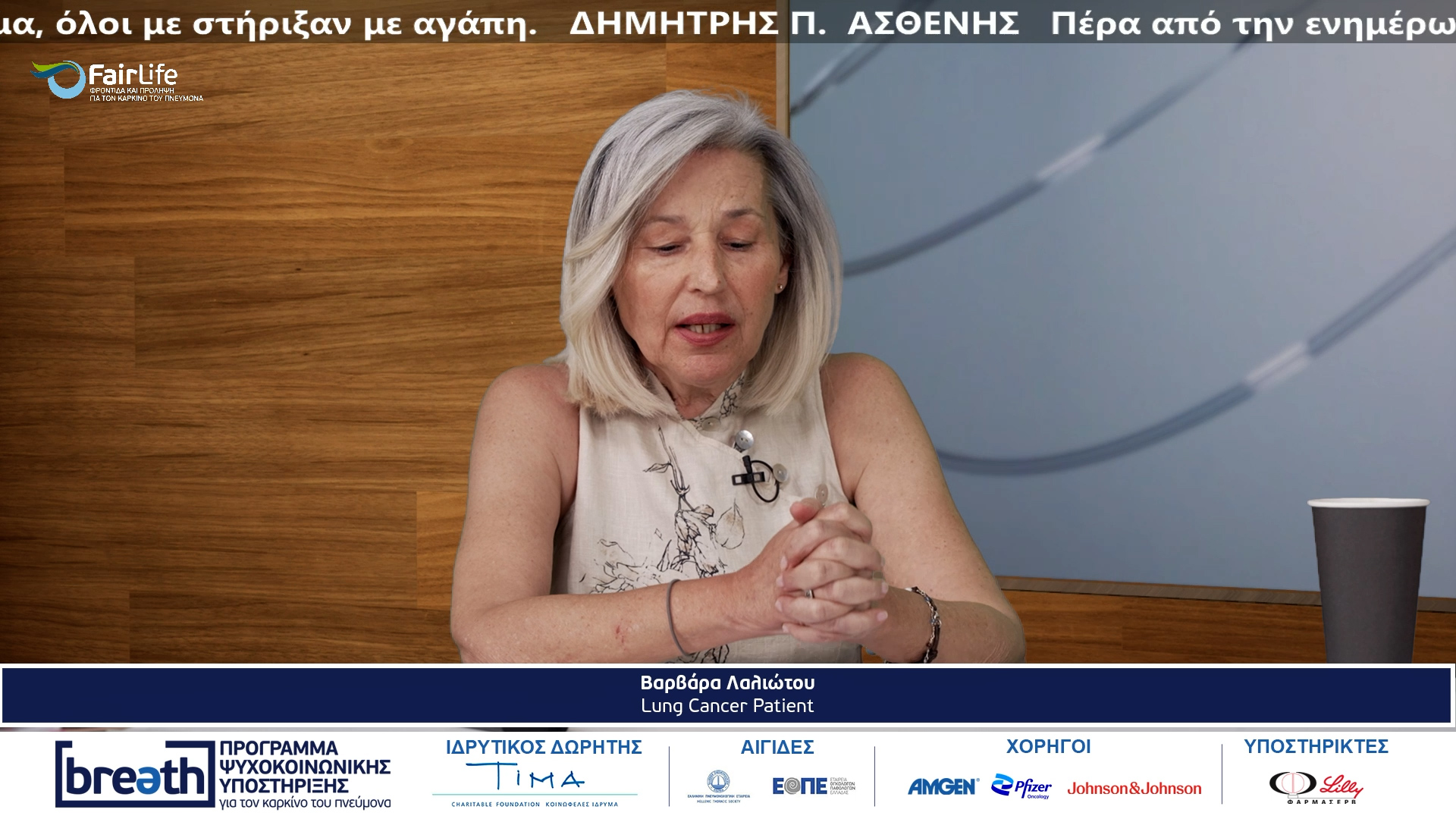
“Cancer does not only affect the body, it mainly affects the soul”, emphasized Ms. Varvara Laliotou, Lung Cancer Patient, who referred to the decisive contribution of the BREATH program in her own journey as a lung cancer patient. She spoke about the great gap that FairLife L.C.C. fills, a gap that should concern state services, and about the individual psychological support, which helped her express emotions without fear or guilt. Ms. Laliotou referred to the professionalism of the people of the BREATH Program and described her experience as valuable, speaking about the strength she found in small, but essential changes, such as seeing her life with meaning again, even in simple things,
In her next statement, Ms. Theodora Lazari, Clinical Psychologist, MSc, referred to the creation of the FairYouth group, an initiative based on the need for psychosocial support for young adults experiencing grief due to lung cancer. “The FairYouth group was created to fill this gap, offering a safe and supportive space to young people aged 18–25. Through 15 structured sessions with experiential exercises, psychoeducation and sharing of experiences, participants had the opportunity to talk about their experience, to feel a sfnse of belonging and to receive the care that is so often absent from their social environment”, emphasized Ms. Lazari.
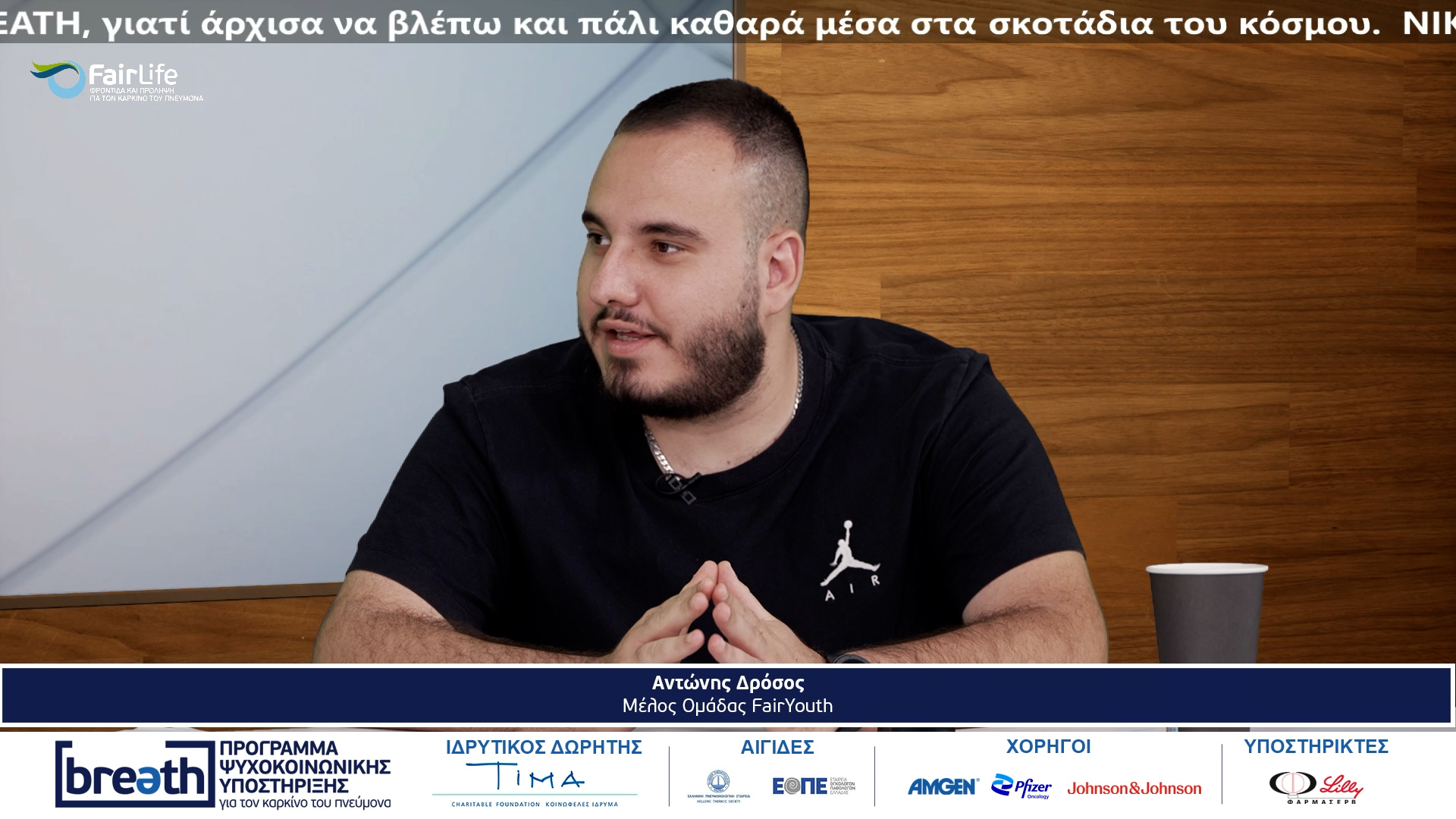
Mr. Antonis Drossos, a member of the FairYouth Team, spoke about his personal experience with grief and the challenges many young people face when seeking help. He noted that the key motivation to reach out for support came from a personal recognition of his own need—beyond the initial denial of “everything is fine.” Equally influential was the positive transformation he observed in his mother, who had previously received support from the FairLife L.C.C. team. Through the shared journey with the team, Mr. Drossos found a deep sense of security that enabled him to navigate his grief more effectively.
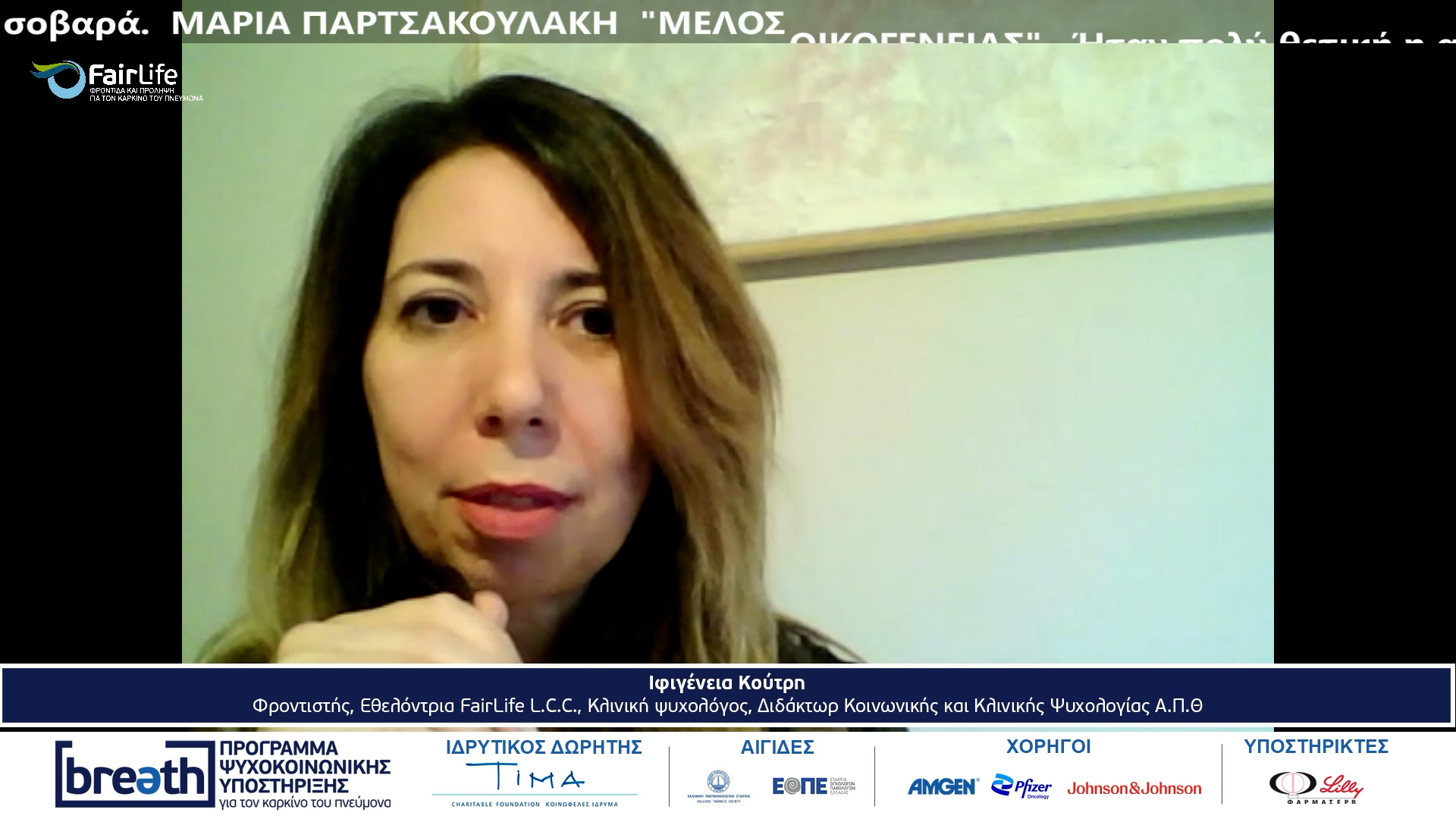
“Sharing the pain tied us all within the team with an invisible thread, which I believe will accompany us forever”, said Ms. Ifigenia Koutri, Caregiver, Clinical Psychologist, Doctor of Social and Clinical Psychology, Aristotle University of Thessaloniki, speaking about her own experiential journey through the BREATH program of FairLife L.C.C., at first as a member of the Grief Group and then as a volunteer coordinator of the Self-Care Group. As Ms. Koutri emphasized, “grief does not disappear, but the space around it grows, and over time the meaning and reconnection with life return”. Through the group, members recognize their strengths and discover the possibility to move forward, while honoring the loved ones they lost.
Ms. Dimitra Soubassi, member of the Self-Care Group, shared her personal journey of losing her partner, highlighting how participating in the Grief Group—part of FairLife L.C.C.’s BREATH Program—provided her with much-needed relief and support. She explained that within this safe space, members openly shared their common experience of grief, easing the emotional burden and fostering strong bonds of mutual support. “We became soulmates and continue on this path together,” she emphasized.
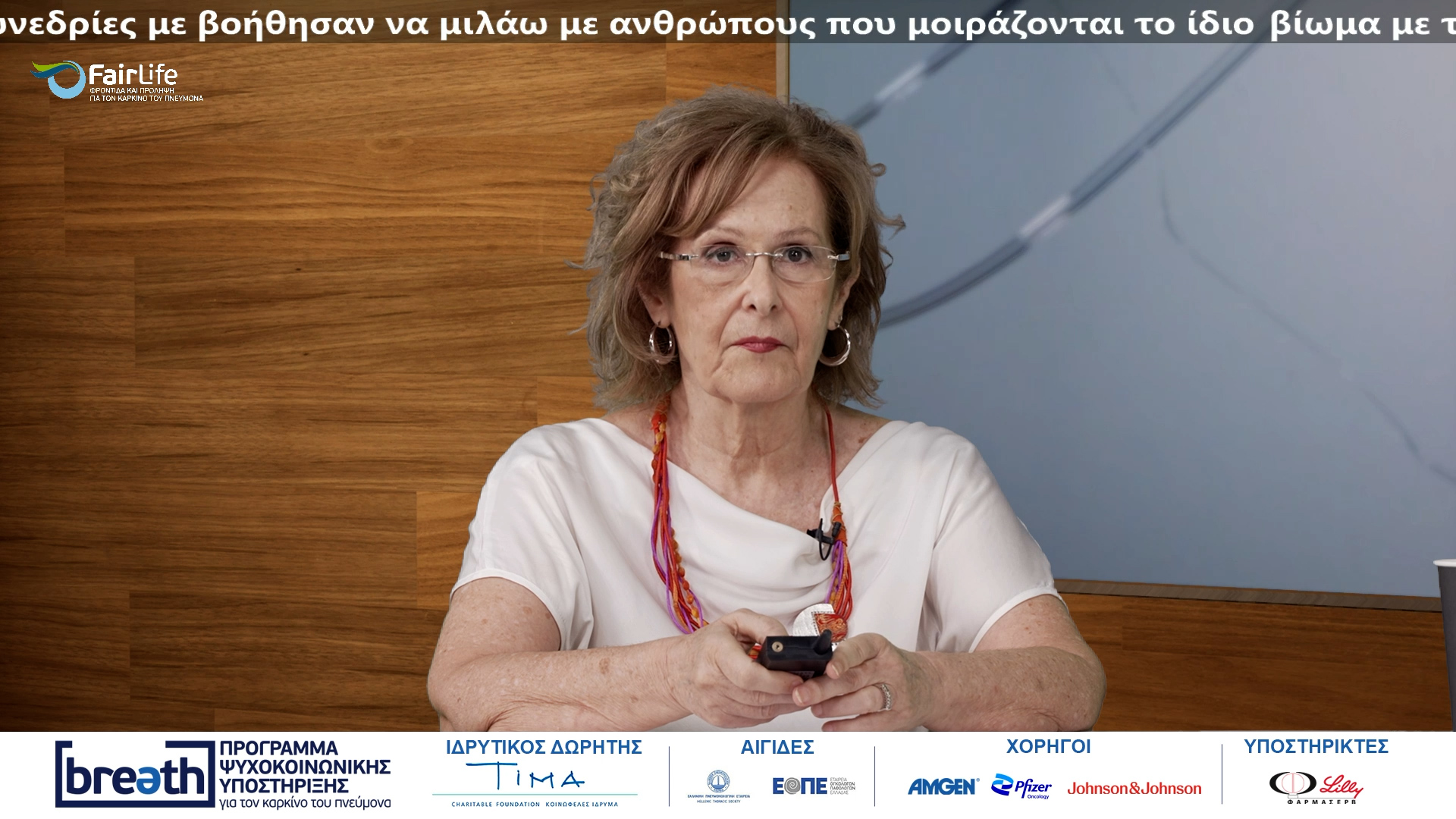
Ms. Litsa Lambronikou, Self-Care Group Member, spoke about the importance of her participation in the Self-Care Group of the BREATH program for herself, and about the practical and psychological support she received from FairLife L.C.C. even before the loss of her husband. As she explained, the most intense moment of her journey was when, through shared experiences and pain, she recognized herself in the stories of other members of the group, with whom she developed a direct and meaningful relationship. For her, self-care is deeply connected to the power of “togetherness,” which turns the isolation of grief into a collective experience filled with hope and life.
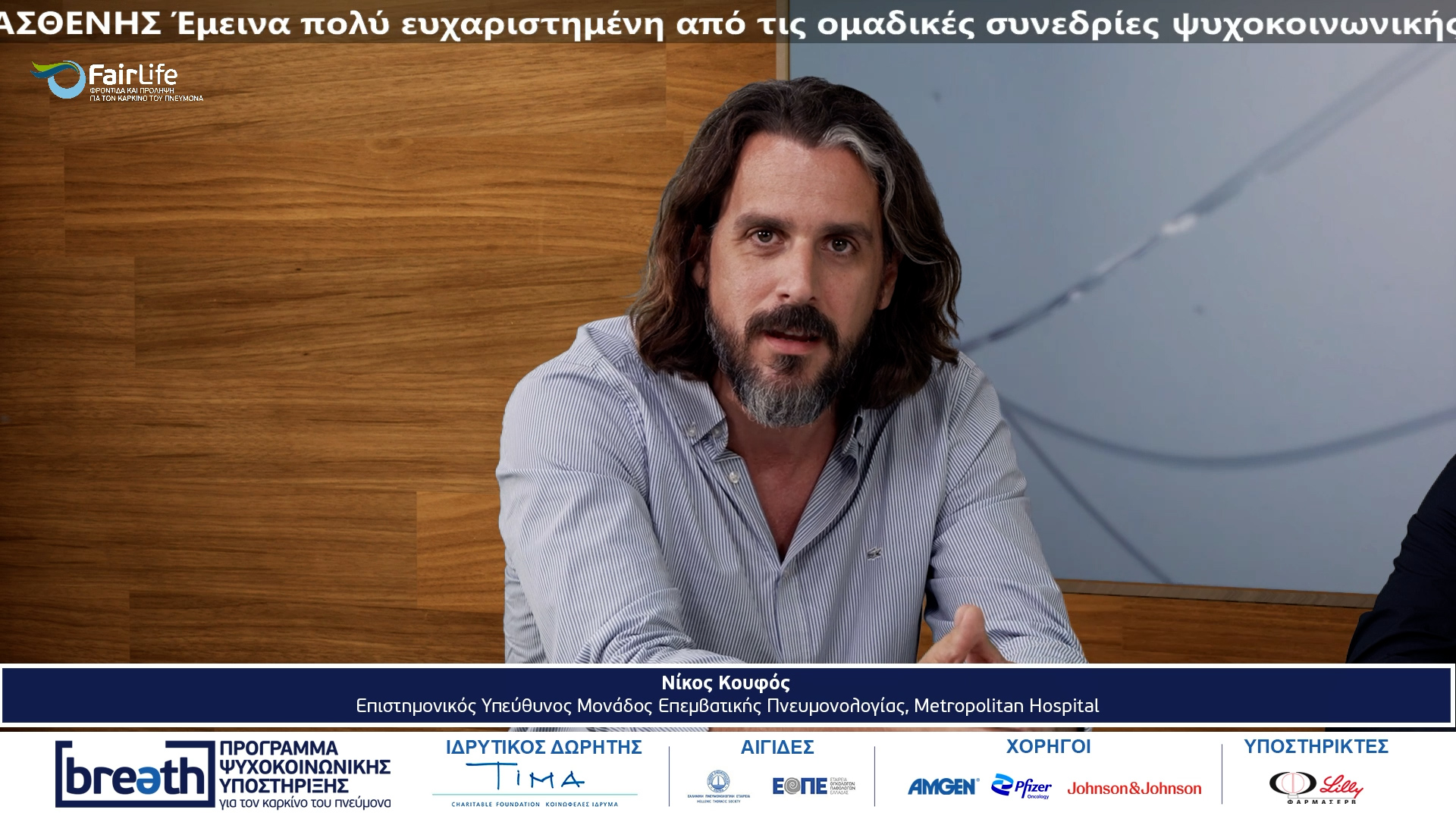
Mr. Nikos Koufos, Scientific Director of the Interventional Pulmonology Unit at Metropolitan Hospital, highlighted the crucial role of early lung cancer diagnosis, noting that initial symptoms are often subtle and easily overlooked. He stressed the significance of early detection programs using low-dose CT scans, particularly for smokers over the age of 50. Additionally, Mr. Koufos discussed the essential role of the interventional pulmonologist—not only in diagnosing and staging the disease but also in managing complications—emphasizing the importance of an interdisciplinary team to support patients during the critical period following diagnosis and throughout their treatment journey.
Mr. Ioannis Kotsantis, Assistant Professor, NKUA School of Medicine, 2nd Pre-University Pathology Clinic and Research Unit, University of Athens, Oncology Department, spoke about the special issue of announcing unpleasant news to oncology patients. Starting from the SPIKES protocol, Mr. Kotsantis analyzed the practices that facilitate the correct transmission of difficult information and emphasized the importance of trust and a good doctor-patient relationship, while mentioning the obstacles that often hinder meaningful communication. Finally, he emphasized the importance of psychosocial support at all stages of the disease, as well as the role of family and caregivers, who often need guidance and education in order to effectively support the patient and protect their own mental health.
“Knowledge saves lives. Technology gives hope” was the central message of the presentation by Mr. Thanasis Akalestos, BscBiology, NKUA, MA StrategicCommunications & PublicRelations. Starting from his mother’s journey through lung cancer, Mr. Akalestos referred to the catalytic role of biomedical technology from prevention to treatment and monitoring. He spoke about scientific progress, the modern possibilities of remote patient monitoring through telemedicine and digital applications and about the role of artificial intelligence in diagnosis, staging and decision-making.
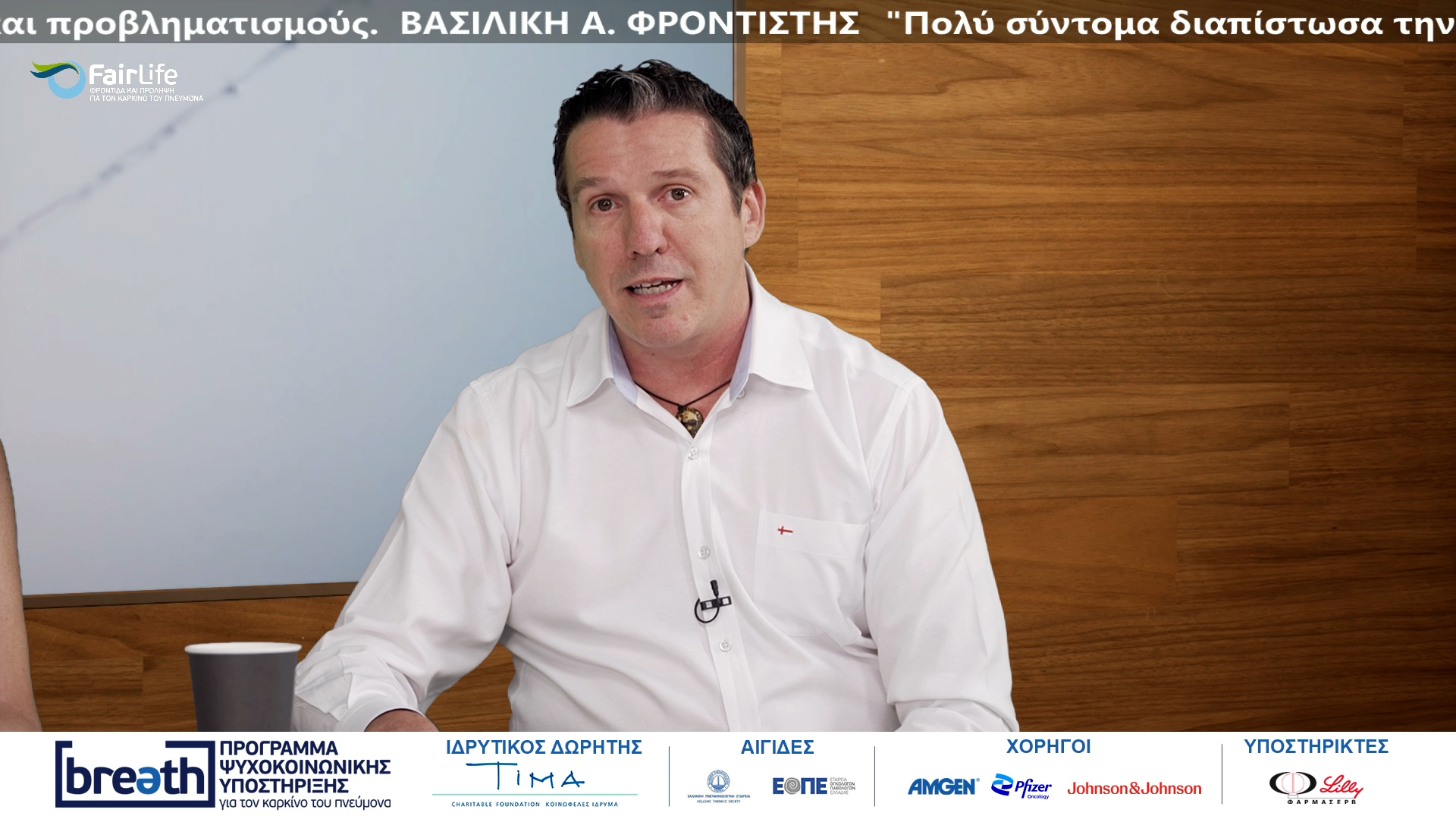
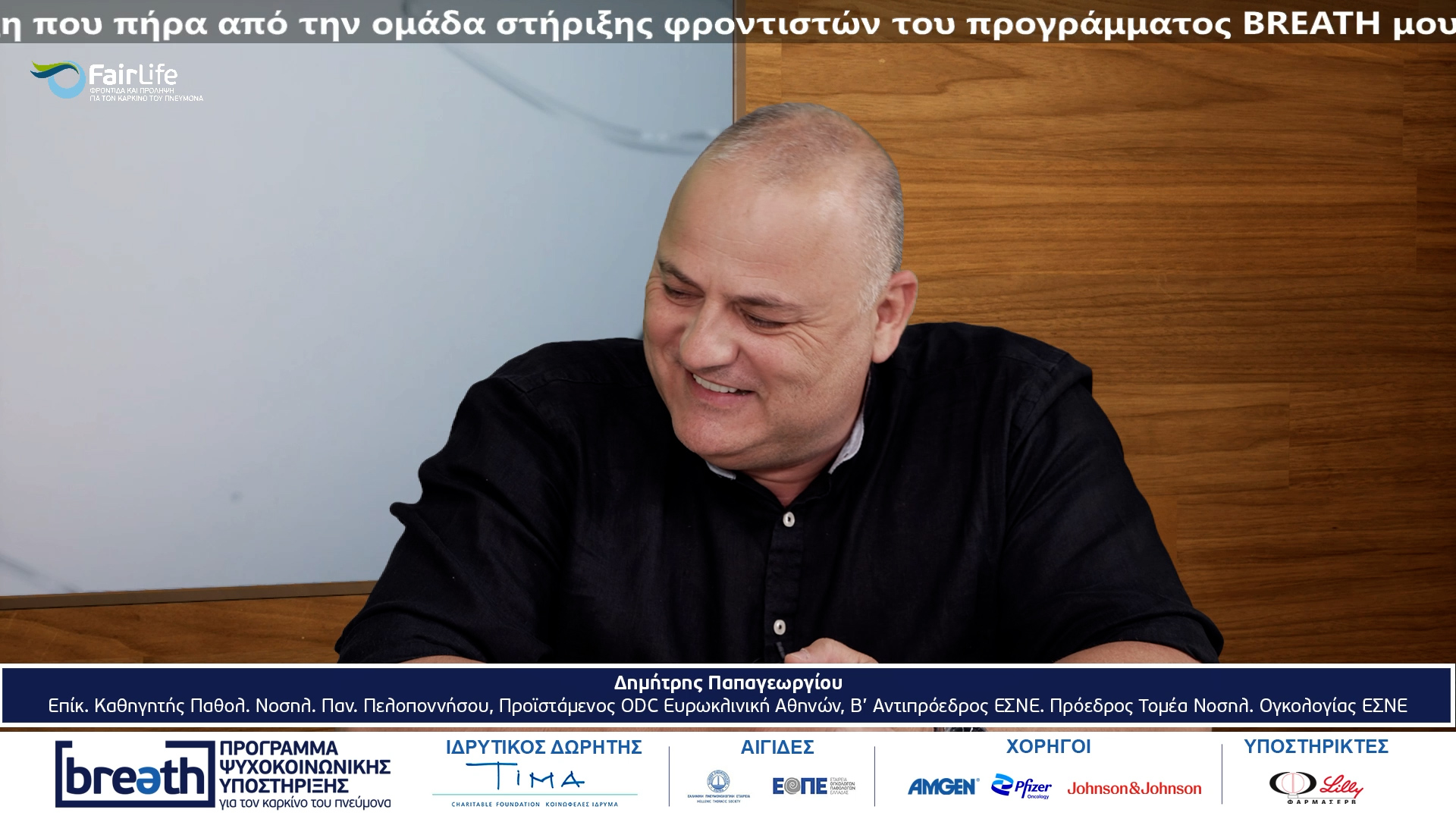
Mr. Dimitris Papageorgiou, Assistant Professor at the University of Peloponnese, Head Nurse of the Oncology Unit at Euroclinic Athens, 2nd Vice President of ESNE, and President of the ESNE Oncology Department, highlighted the importance of systematically capturing the experiences of lung cancer patients—not only in terms of clinical data but also regarding their emotional and psychosocial needs. He emphasized that documenting symptoms and patient experiences through digital tools can significantly enhance both quality of life and survival rates. Additionally, Mr. Papageorgiou spoke about FairLife L.C.C.’s OncoNoesis educational program, which aims to train nurses specializing in lung cancer and strengthen their psychological resilience, enabling them to be indispensable companions to patients throughout their journey.
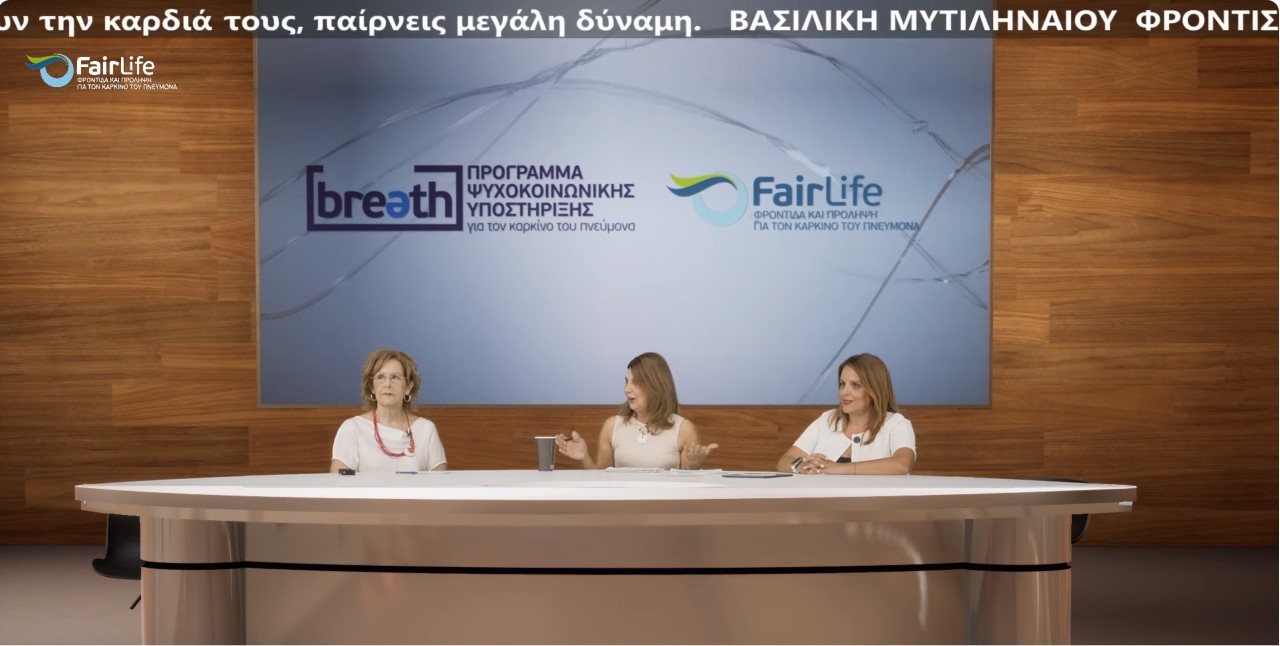
Ms. Vasiliki Mytilineou, a caregiver, shared from her personal experience caring for her husband with lung cancer, expressing her conviction that “the soul becomes ill before the body.” She emphasized how vital the psychological support she received through FairLife L.C.C.‘s BREATH program was in helping her cope. Through the support groups, she found relief, security, and a sense of companionship in a space where she could speak openly without fear or shame, allowing her to share her mental exhaustion, fears, and anguish alongside other caregivers. Ms. Mytilineou also highlighted the importance of sharing, noting that both the BREATH and OncoNoesis programs address a vital need in providing compassionate care for oncology patients and their families.
Ms. Evangeli Bista, PhD(c), MBA, MSc, BSc, Co-founder of Kapa3, described the collaboration between FairLife L.C.C. and K3 as a model of collective action, highlighting the BREATH Psychosocial Support Program as a key example. As she noted, K3’s goal is to ensure everyone’s accessibility to every available service and information, through a holistic support model, which includes digital, telephone and in-person guidance, scientific collaborations, informational brochures and physical presence in oncology hospitals. “The collaboration with FairLife L.C.C. essentially mapped the real needs of patients and caregivers,” explained Ms. Bista, filling the gaps in the system and enhancing the journey of lung cancer patients.
Ms. Ainola Terzopoulou, Wellness Consultant, spoke about breathing as an act of self-care, stating, “If we truly understand that each breath is a small cycle of life, we can begin to appreciate it more and become more mindful with each inhale and exhale.” She emphasized that breathing is not merely an automatic process but can be consciously controlled to provide significant health benefits. Ms. Terzopoulou explained the importance of breathing through the nose rather than the mouth, as well as the crucial role of carbon dioxide in proper cellular oxygenation. She concluded by presenting abdominal diaphragmatic breathing as a simple yet vital technique to reduce stress, slow aging, boost the immune system, and enhance overall well-being.
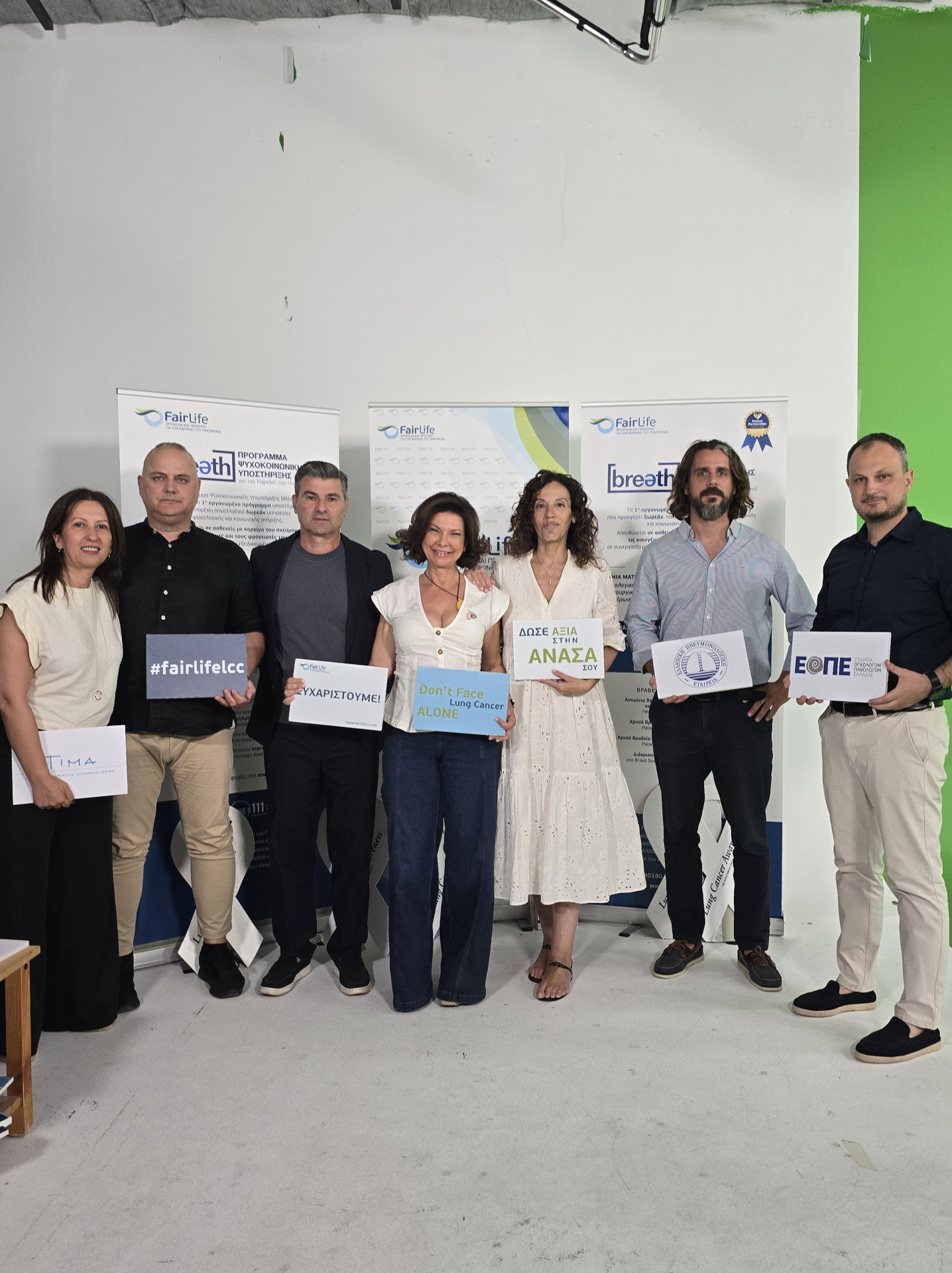
The event was held under the auspices of the Hellenic Thoracic Society (HTS) and the Hellenic Society of Medical Oncology (HeSMO).
Kindly supported by:
Founding Donor: Τima Charitable Foundation
Donors: Amgen, Pfizer, Johnson & Johnson
Supporters: PHARMASERVE Lilly

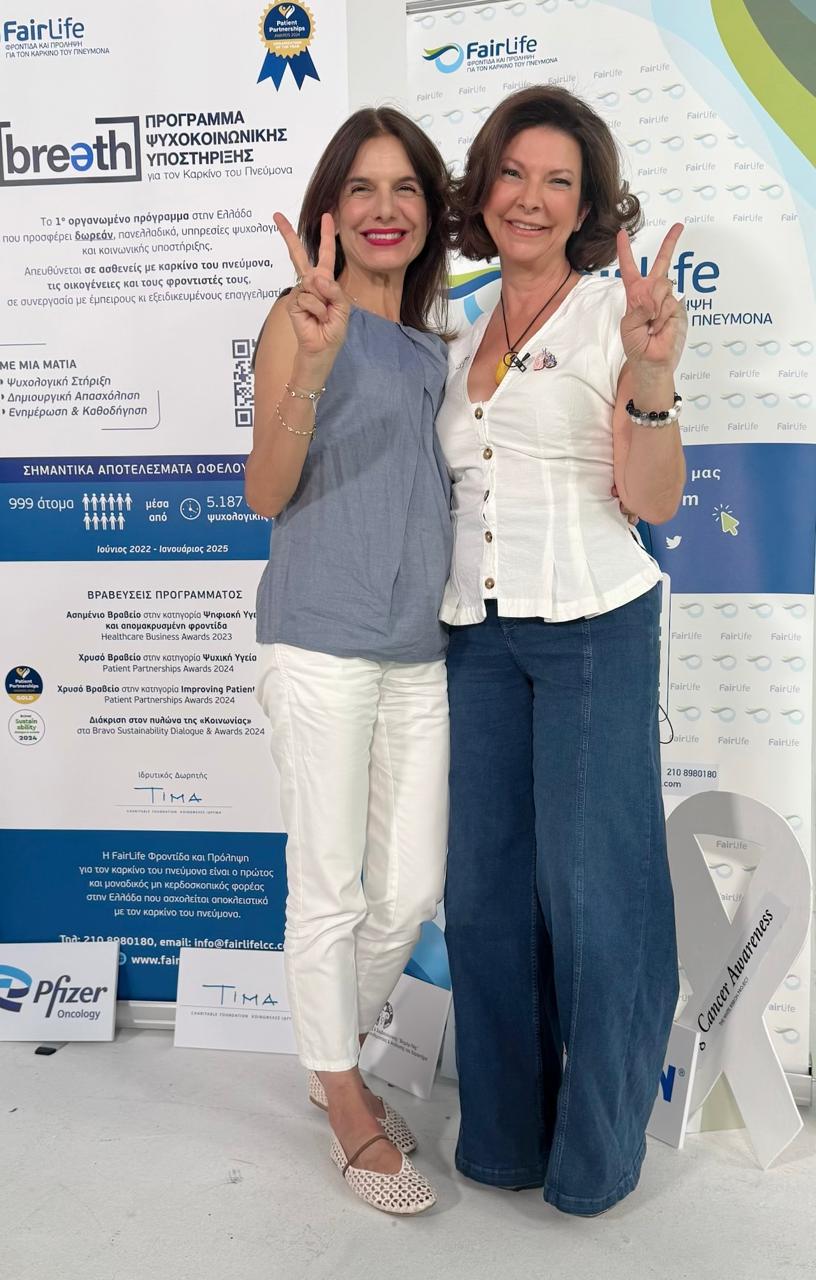
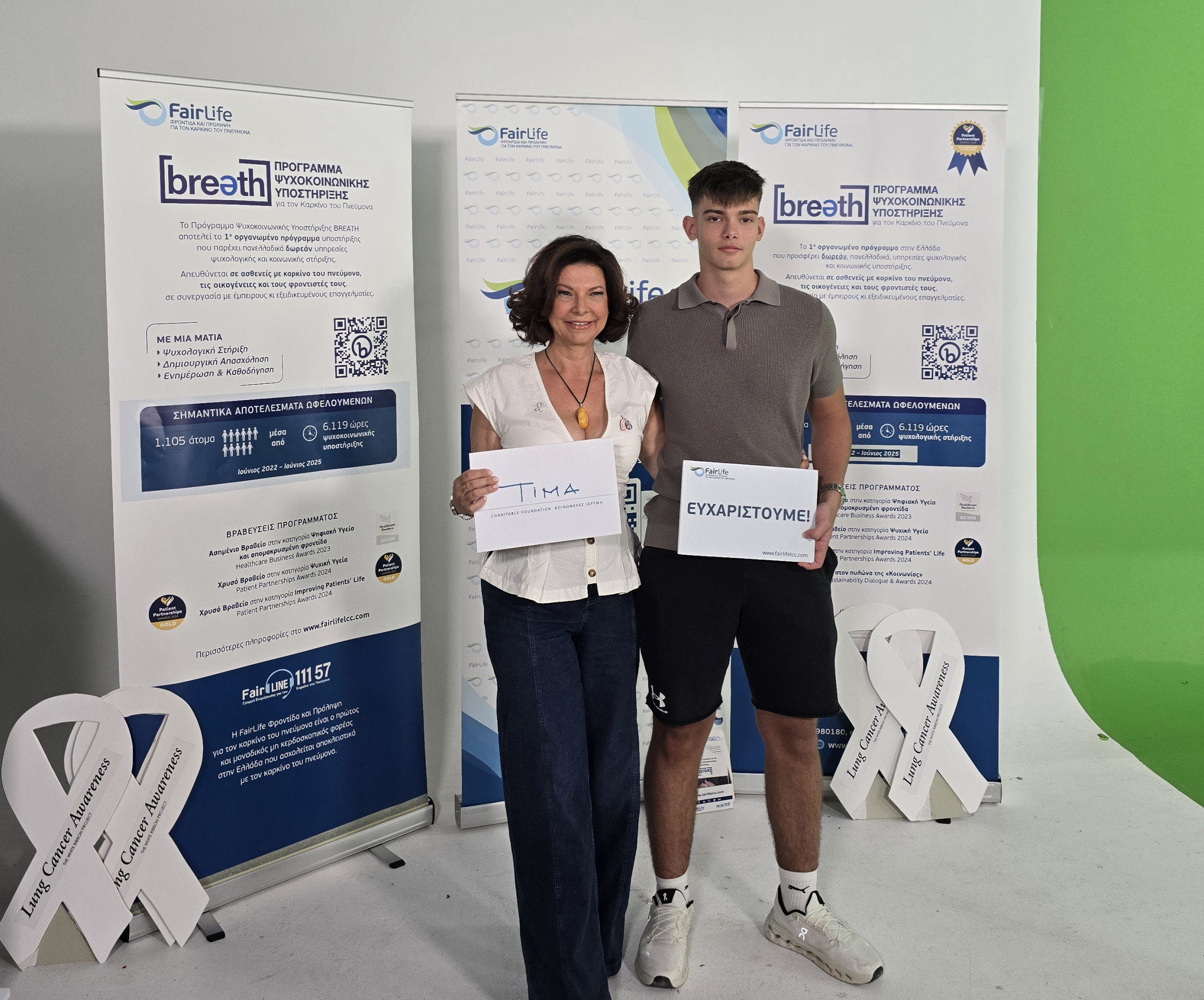


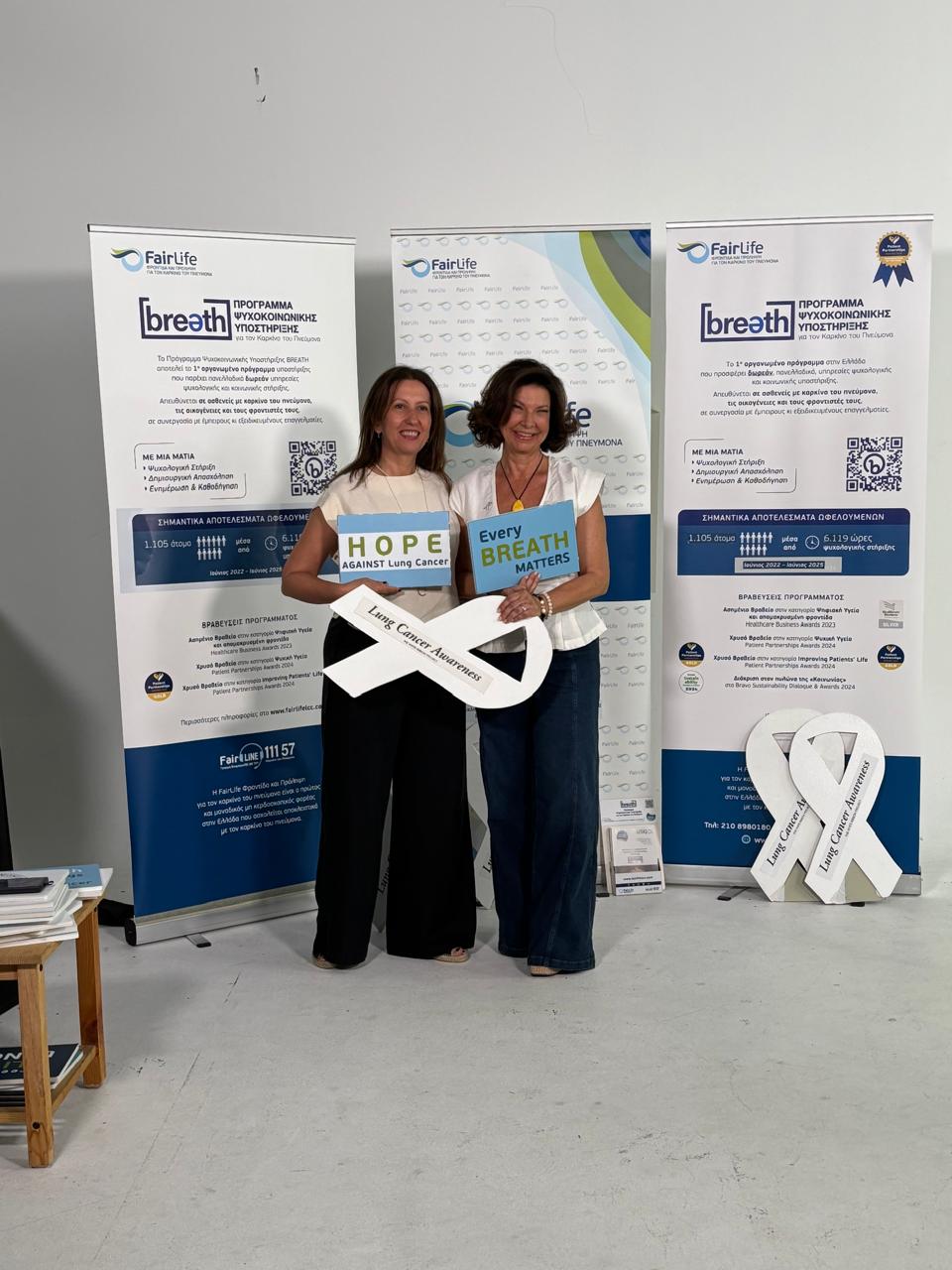
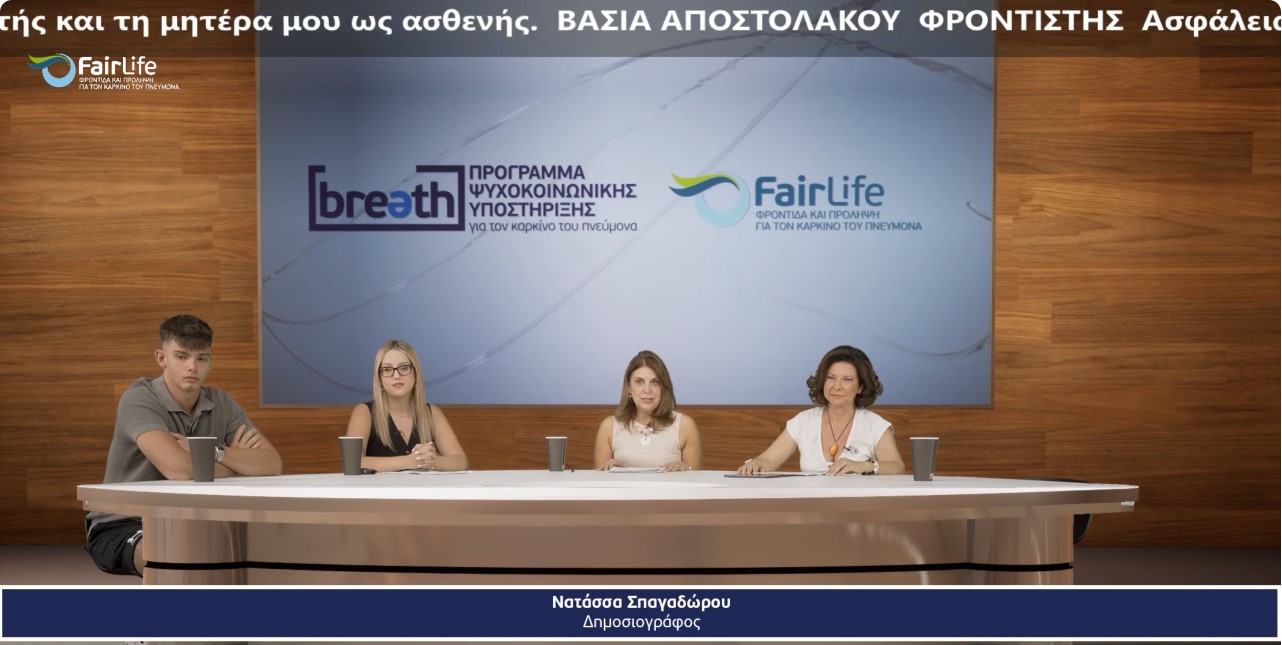








—
FairLife Lung Cancer Care
FairLife Lung Cancer Care (FairLife L.C.C.) is the first and only non-profit organization in Greece, exclusively dedicated to lung cancer, the leading cause of cancer-related death worldwide. FairLife L.C.C. was founded in 2020 by Korina Pateli-Bell in memory of her husband, Simon Bell, who lost the battle to Lung cancer in August of 2020.
FairLife L.C.C.’s mission is to educate and raise awareness for lung cancer prevention while providing holistic support to patients and their families throughout their journey from diagnosis to treatment.
In 2024, FairLife L.C.C. was recognized as the “Organization of the Year” at the Patient Partnerships Awards. Over its four years of operation, it has received 15 distinctions for its social impact, gaining recognition both in Greece and internationally.
More info: 1. 4 Years Anniversary video 2. Detailed report 3. Digital Booklet | Download
To support our mission:
– we promote lung cancer prevention, early diagnosis and screening to decrease mortality rates.
– we raise awareness of the value of comprehensive molecular screening.
– we provide psychosocial support to patients, caregivers and family members.
– we encourage and educate patients, institutions and the general public about the value of clinical trials and access to new innovative therapies.
– we work to eliminate the lung cancer stigma, experienced by people, impacted by the disease.
– we educate the young generation and the wider public on the benefits of clean air for lung health. To this end, we engage them in environmental awareness and sustainability actions, advocating for a healthy environment with less pollution and less lung cancer.
For more information
FairLife L.C.C.
Varis Av. 6, 16672, Vari
Phone: +30 2108980180
Information Line – FairLine: 111 57
Email: info@fairlifelcc.com
WEBSITE | YOUTUBE | FACEBOOK | LINKEDIN | INSTAGRAM | TWITTER|TIK TOK
18.07.2025