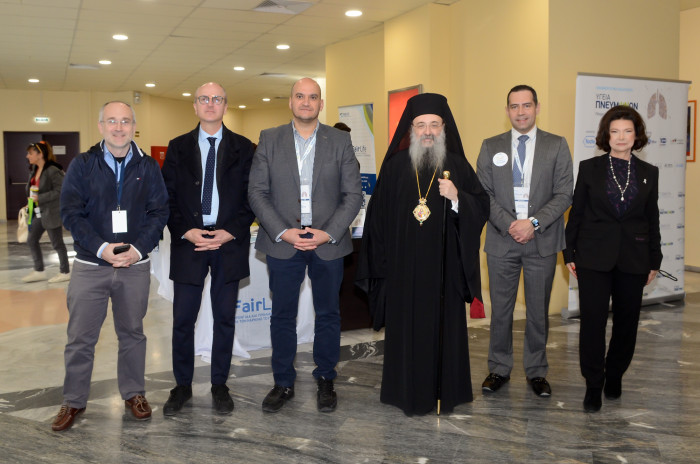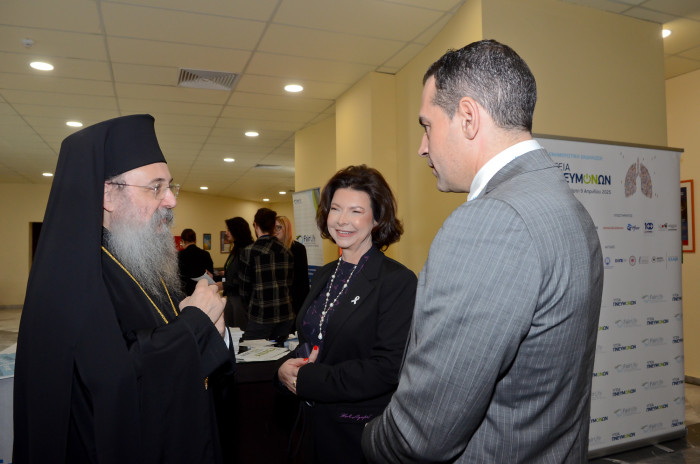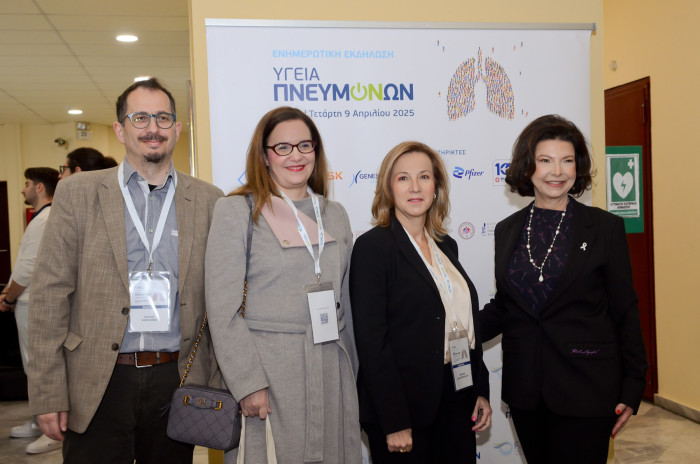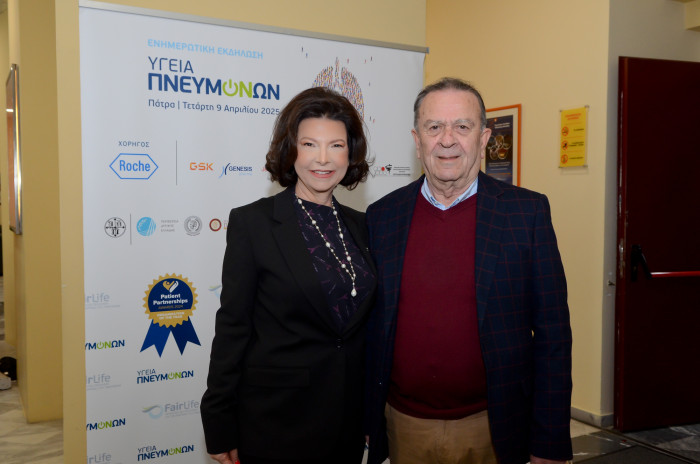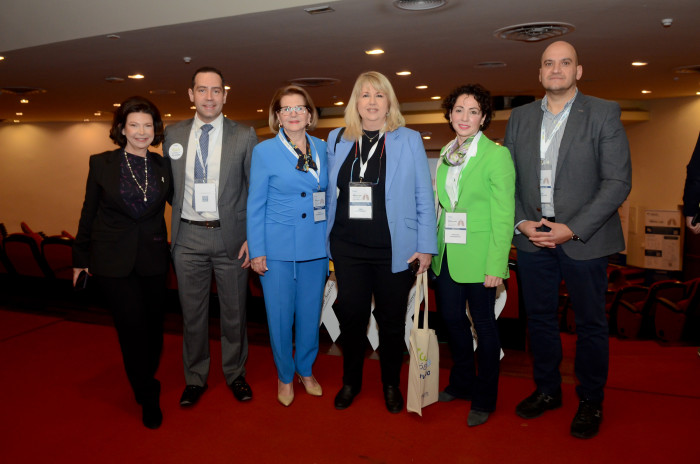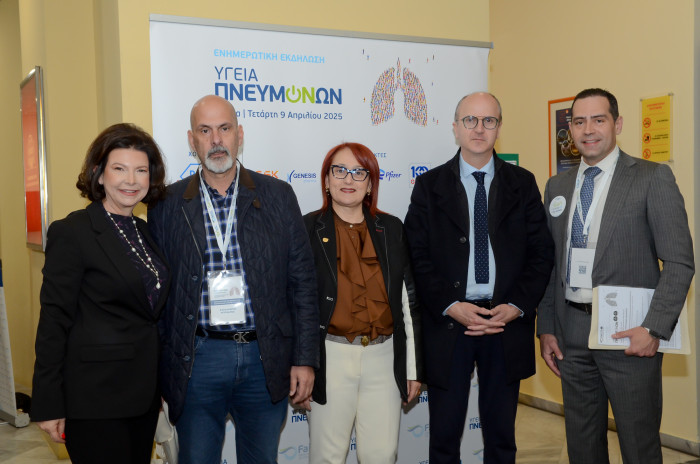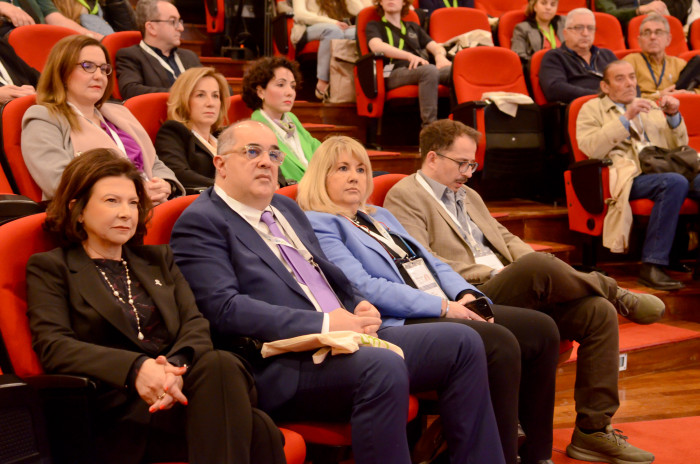



The award-winning “Healthy Lungs” initiative successfully completed its fourth journey, focusing on prevention, early diagnosis and care for lung cancer.
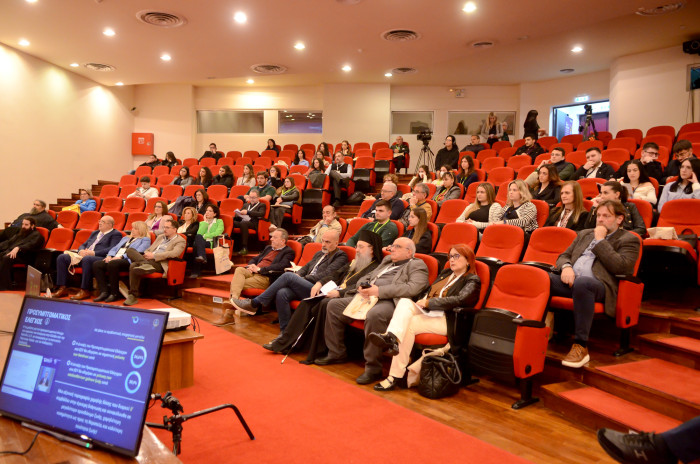
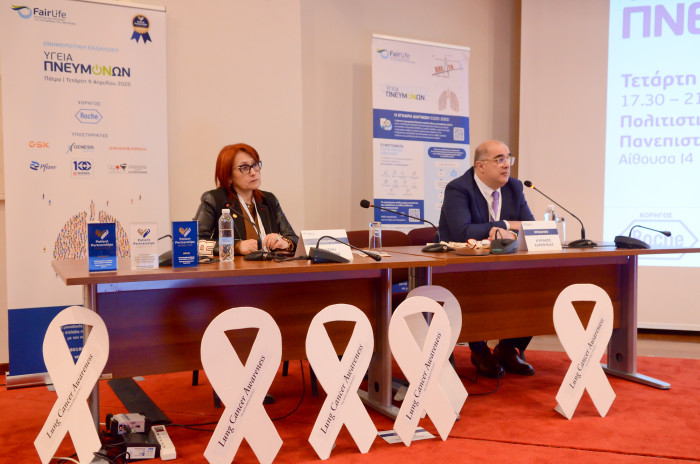
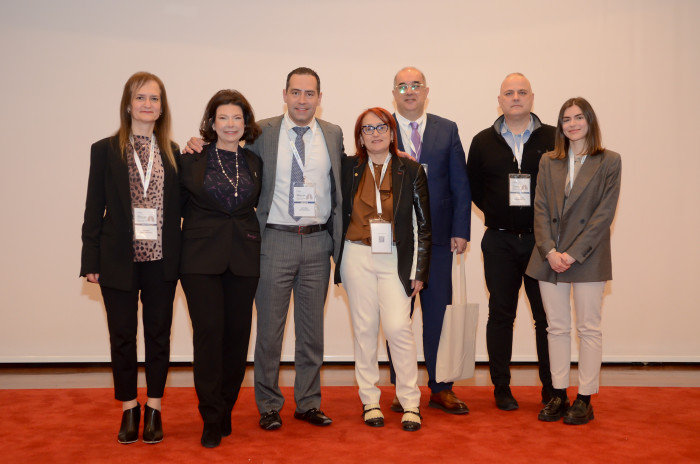
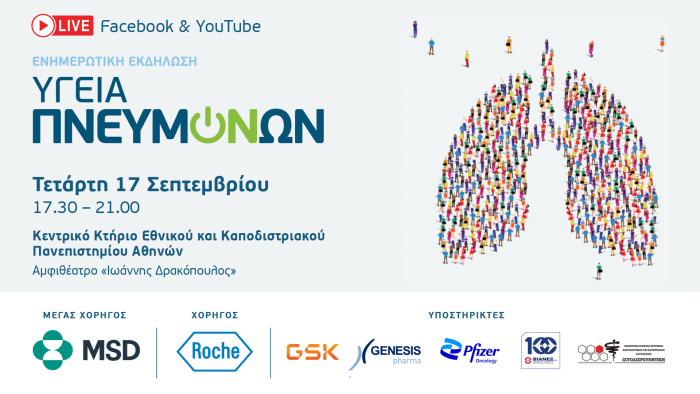
On Wednesday, April 9, 2025, the “Healthy Lungs” information event was successfully organized by FairLife Lung Cancer Care, in collaboration with the Pulmonology Clinic of the University of Patras and Professor Mr. Argyris Tzouvelekis. The event was hosted at the Cultural Conference Center of the University of Patras, the 4th stop of the award-winning “Healthy Lungs” initiative after Thessaloniki, Larissa and Alexandroupoli.
FairLife L.C.C.’s “Healthy Lungs” initiative aims to inform the public about lung diseases and lung cancer prevention, while also encouraging screening for early detection of the disease. It has been awarded 1 gold and 1 bronze award at the Patient Partnerships Awards 2024.
At the event, 24 speakers addressed key issues, such as screening and therapeutic developments in lung cancer, prevention practices, the role of psychological support, and the role of cancer treatment. 1867 people attended the event in Patras in person and online and had the opportunity to be informed about “Healthy Lungs” and “early screening”, as Mr. Tzouvelekis noted, before the appearance of lung cancer or its symptoms.
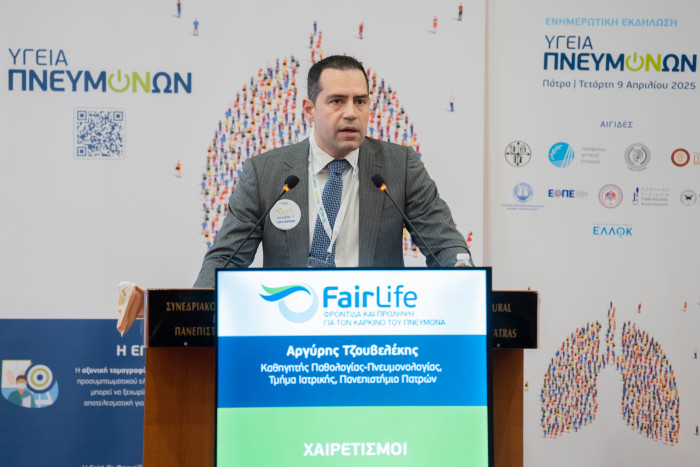
The event was coordinated by Mr. Argyris Tzouvelekis, Professor of Pathology-Pulmonology, Department of Medicine, University of Patras. Mr. Tzouvelekis, in his preface to the opening of the proceedings, pointed out the high mortality rate of lung cancer, the leading cancer in deaths, noting: “Today’s conference aims to raise concerns but at the same time give us hope that better days are coming… Lung cancer is a new pandemic and this is exactly what we came to address today, to start laying the groundwork, increase awareness and to inform the public about lung cancer screening…”
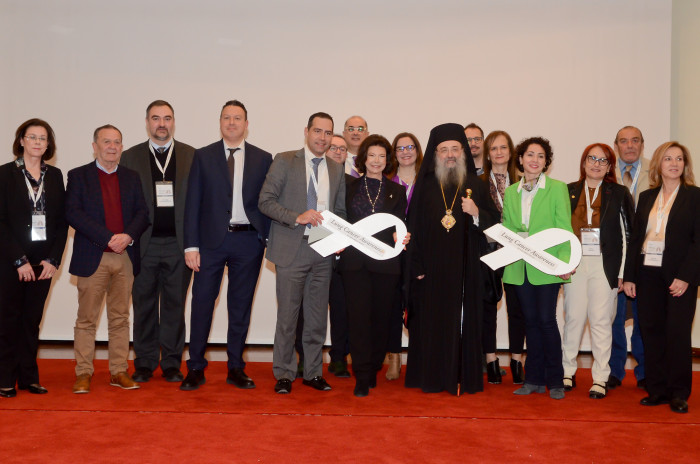
The speakers, coming from scientific, academic and educational fields, as well as representatives of the Church, Local Government and patients, analyzed the role of screening and early diagnosis of lung cancer, the contribution of biomarkers in diagnosis and treatment, the newer therapeutic developments, the role of the thoracic surgeon, as well as the importance of interdisciplinary collaboration. Particular emphasis was given to the role of the nurse in patient care, the importance of psychological support for both them and their caregivers, as well as the positive effect of physical exercise and smoking cessation on the prevention of lung cancer. In addition, personal testimonies from patients who have experienced the disease enriched the discussion and gave a special tone to the event.
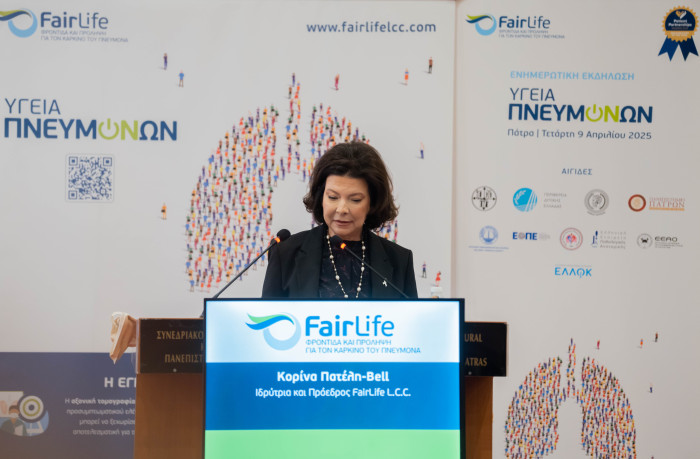
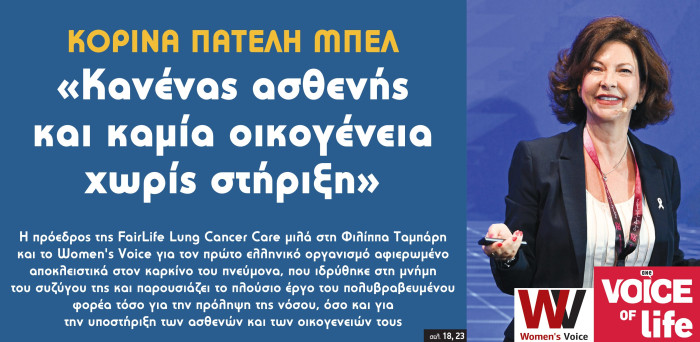
At the opening of the event, Ms. Korina Pateli-Bell, President of FairLife L.C.C., emphasized: “Lung cancer remains a huge challenge for the Greek healthcare system and for society as a whole. We have been traveling to various cities in Greece to talk about the health of our lungs, prevention and early diagnosis since 2024. FairLife L.C.C. is always close to people living with this disease, with new programs and informational actions. We want to inform our fellow citizens in every corner of the country that screening is not a luxury, it is now a necessity!”
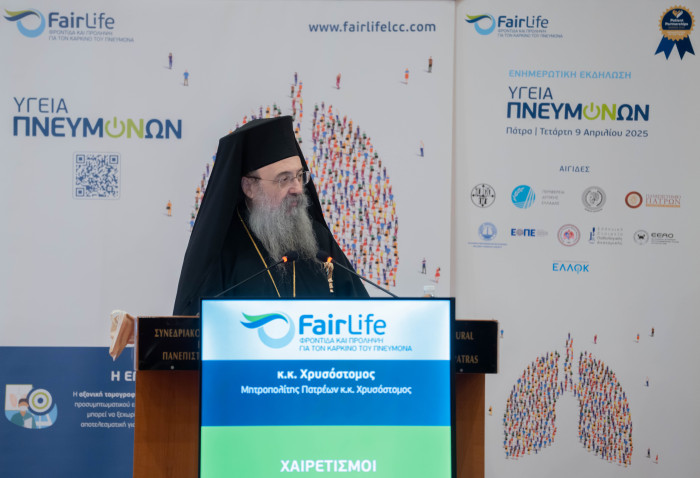
During the event’s greetings, the Metropolitan of Patras, Mr. Chrysostomos, emphasized: “I would like to express my deepest gratitude for what you are doing, Ms. Patelis, to ensure that there is knowledge, prevention, and information, because all these years I have been observing that people are unaware, uninformed and living in plain ignorance. We need to enlighten people spiritually so that through prevention we can predict situations and save human lives. Human life is a precious thing.”
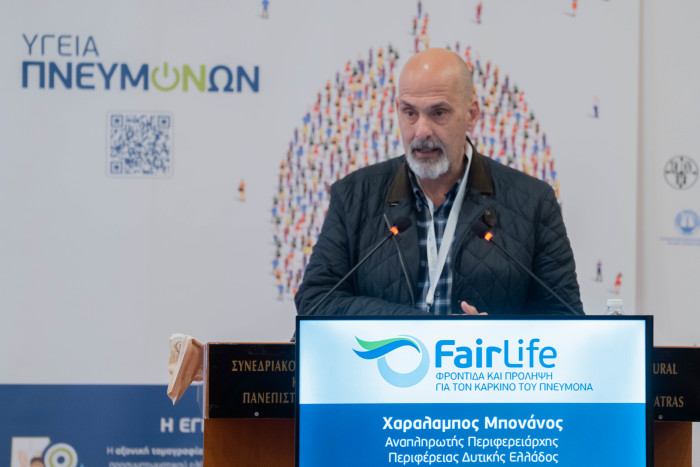
Mr. Charalambos Bonanos, Deputy Regional Governor of the Western Greece Region, said: “As a Regional Authority, we will insist on joining forces to save lives. The work of FairLife L.C.C. is exceptional and know that here in Western Greece you have someone like us that will be an ally and always by your side.”
Mr. Christos Patouchas, Municipal Councilor of the Municipality of Patras, conveyed the message of Mayor Konstantinos Peletidis and presented his personal story as a patient with lung cancer: “I want to express our permanent and consistent interest, on one hand, in everything that contributes to the prevention of HIV and more broadly to Public Health, and on the other, in the improvement, development and the most effective function of scientific research… An organized society and more importantly, an organized State, have the responsibility for prevention and research… Prevention will create better economic conditions in the long term. Prevention is less costly than treating the unpleasant consequences of the disease.”
Mr. Elias Theodoropoulos, Commander of the 6th Ministry of Health, after presenting the work of the 6th Ministry of Health in the field of prevention, noted: “We should not ignore prevention, because as the slogan on the back panel says, ‘Early diagnosis saves lives’… Together, the 6th Ministry of Health, the Region, the Municipality, the University, and the Church can organize, design, and implement preventive programs that will help the community and its fellow citizens. It is critical to have fewer patients and to prevent these situations.”
Mr. Christos Bouras, Rector of the University of Patras, highlighted the social role of the University, noting: “We do not perceive our role narrowly in education and research, but we also see an important role towards society. We will support such efforts through our volunteer groups for access to any information, to any treatment available, so that even one human life can be saved. Know that on the face of the University of Patras you have found an ally for such events.”
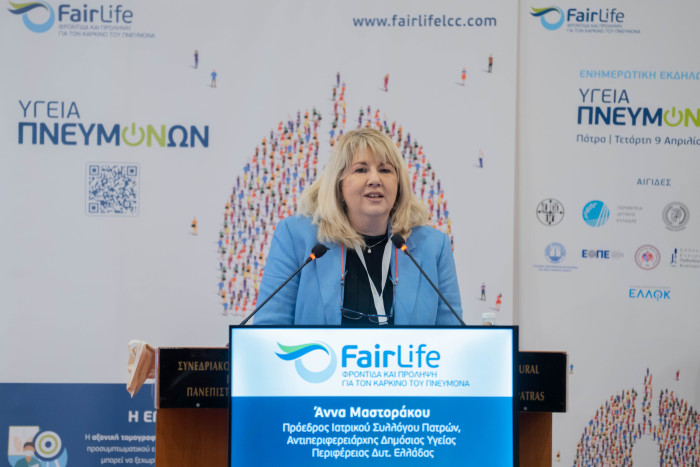
Ms. Anna Mastorakou, President of the Patras Medical Association, Deputy Regional Governor of Public Health of the Western Greece Region, highlighted the connection between the natural environment and lung health. “The World Health Organization has a new vision, which is part of what we are discussing, it is the concept of ‘One health’ or…unified health. Because health is not only a biological, social and psychological phenomenon, but also environmental. I am pleased to announce that we are creating a Public Health and Environmental Observatory in Western Greece, where there will be continuous recordings of many health factors, such as water quality, air quality, pollutants and allergens. It’s a new approach to lung health… It’s also important to get the message of health literacy across. Each one of us should know what’s harming us, especially with things like passive smoking…which can lead to death.”
Ms. Georgia Papathanasopoulou, Vice President of the Group “AgaliaZO” sent a message: “Oxygen is our life source. To have it, we must avoid factors that deprive us of it, such as smoking, air pollution, and reckless agricultural spraying without protective equipment. The message I would like to send is ‘Information, prevention and early diagnosis save lives.’ Cancer is everyone’s business.”
SECTION A: From Early Diagnosis to Personalized Treatment: Scientific Developments and Holistic Approach to Lung Cancer
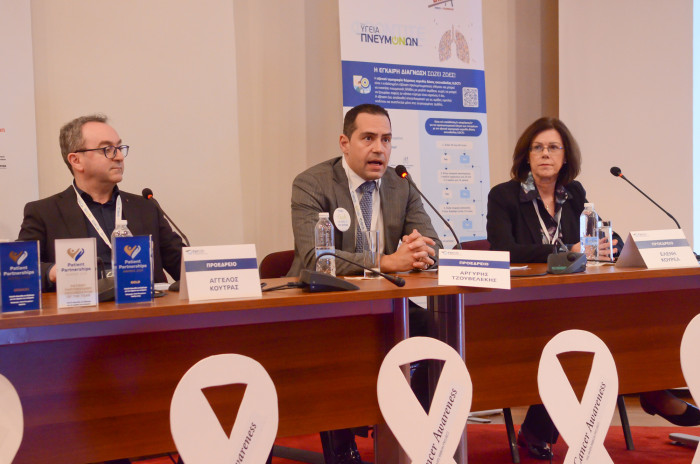
Section A was chaired by Mr. Argyris Tzouvelekis, Professor of Pathology-Pulmonology, Department of Medicine, University of Patras, Mr. Angelos Koutras, Professor of Pathology-Oncology, Department of Medicine, University of Patras and Ms. Eleni Kourea, Professor of Pathological Anatomy, Department of Medicine, University of Patras, President of the Greek Association of Public Health Workers (EEPA). The members of the Presidium addressed and commented on the speakers of Section A, emphasizing the paramount importance of screening for lung cancer and at the same time conveying the hopeful message of advanced treatments to those already suffering from the disease.
“Prevention of respiratory infections is a fundamental pillar of public health,” emphasized Ms. Karolina Akinosoglou, Pathologist-Infectious Disease Specialist, Associate Professor of Pathology, Department of Medicine, University of Patras, talking about the risk of serious illness from pathogens such as SARS-CoV-2, influenza virus, RSV and pneumococcus, especially in vulnerable groups. She referred to the value of vaccination in reducing morbidity, mortality and spread and to adhering to vaccination recommendations for collective immunity and limiting epidemics.
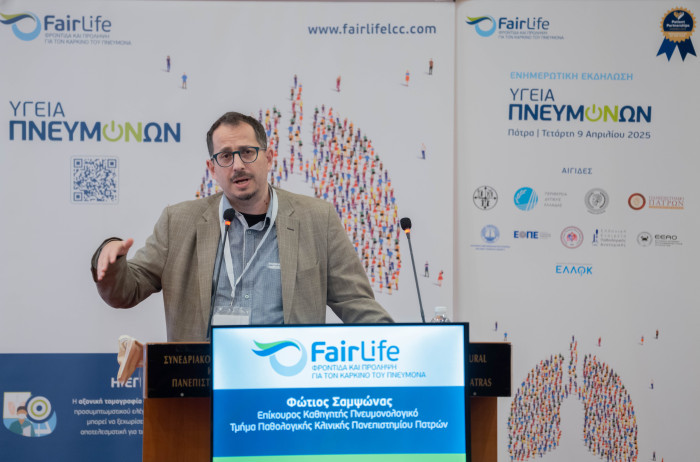
Mr. Fotios Samsonas, Assistant Professor, Pulmonology Department, Pathology Clinic, University of Patras, referred to lung cancer screening as an early diagnosis strategy, aiming to reduce mortality through the detection of the disease in asymptomatic patients. “Lung cancer is a killer and does not show any symptoms before it manifests itself, however, low-dose CT scanning is an effective tool for detecting small, undetectable tumors in high-risk individuals – smokers and ex-smokers >55 years old.” He referred to the challenges and obstacles to the implementation of screening, such as the need for clear information, the use of standardized referral forms to reduce delays, timely referral, assessing socioeconomic factors and age, optimizing candidate selection, improving patient participation in remote areas through telemedicine, and the introduction of AI technology.
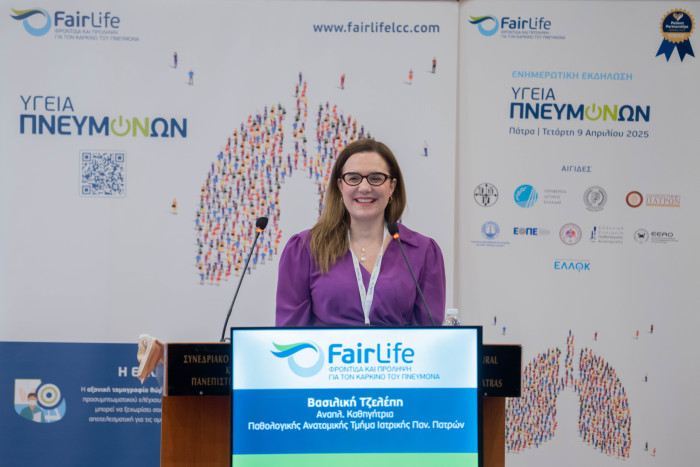
Ms. Vasiliki Tzelepi, Associate Professor of Pathological Anatomy, Department of Medicine, University of Patras, spoke about Precision Medicine and the role of tissue biomarkers in improving diagnosis and treatment of lung cancer. “Accurate histological and molecular evaluation of NSCLC is a cornerstone for the proper management of patients.” Ms. Tzelepi presented the latest data on good practices and the importance of accurate histological and molecular diagnosis with an emphasis on the detection of driver genetic mutations (driver mutations) and PD-L1 expression, with the aim of optimally selecting targeted therapies.
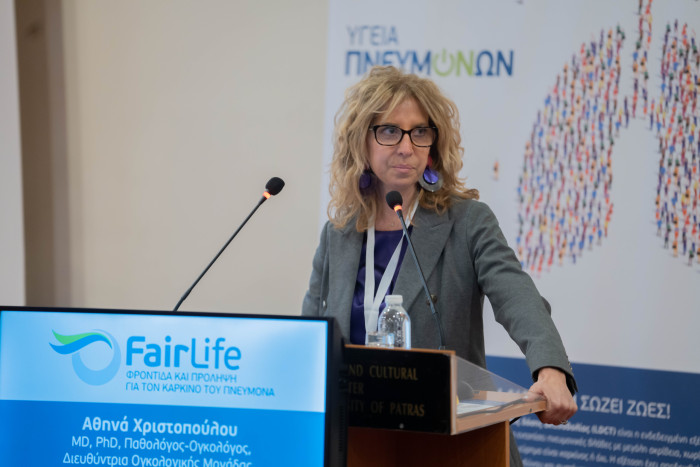
Ms. Athena Christopoulou, MD, PhD, Pathologist-Oncologist, Director of the Oncology Unit, Patras General Hospital, highlighted the latest developments in the therapeutic treatment of lung cancer. “Today, there is targeted therapy, which has changed the course of the disease for patients with lung cancer. The discovery of EGFR mutations as a predictive factor for response to kinase tyrosine inhibitors, has changed the face of NSCLC treatment… For the KRAS gene, which is found in 40% of adenocarcinomas, there have been excellent results regarding second-line metastatic lung cancer… It is therefore important to determine the molecular profile of each tumor.”
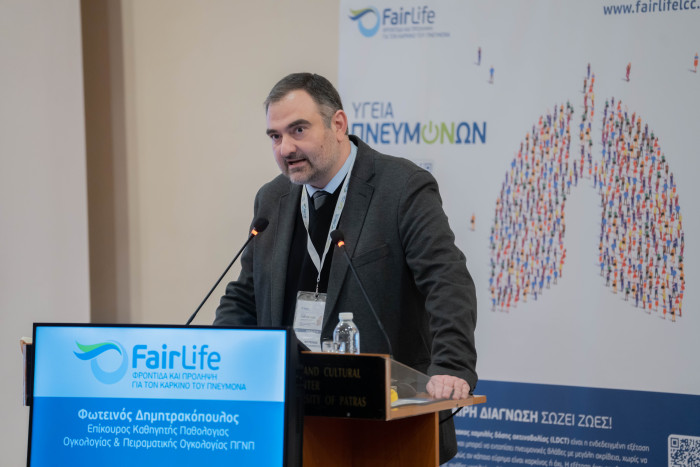
Mr. Fotinos Dimitrakopoulos, Assistant Professor of Pathology-Oncology & Experimental Oncology, University General Hospital of Patras, spoke about the value of early diagnosis and interdisciplinary collaboration in lung cancer. He referred to the modern treatment of disease, which requires knowledge, a high degree of specialization and the cooperation of many specialties. “So far we have three models regarding the management of lung cancer. The sequential model of patient flow – management, the other two models concern the multidisciplinary team and multi-scientific approach either through the MDC team, the interdisciplinary team responsible for managing the patient and finally the interdisciplinary clinic model, a model organized with all specialties in one space… We are moving from HealthCare 1 to HealthCare 4 due to technical intelligence and rapid developments that will radically change the way we manage.” Finally, he stressed the need to adapt the mechanisms and functions of health structures, as well as the appropriate training of all professionals in the field, in order to achieve optimal therapeutic intervention.
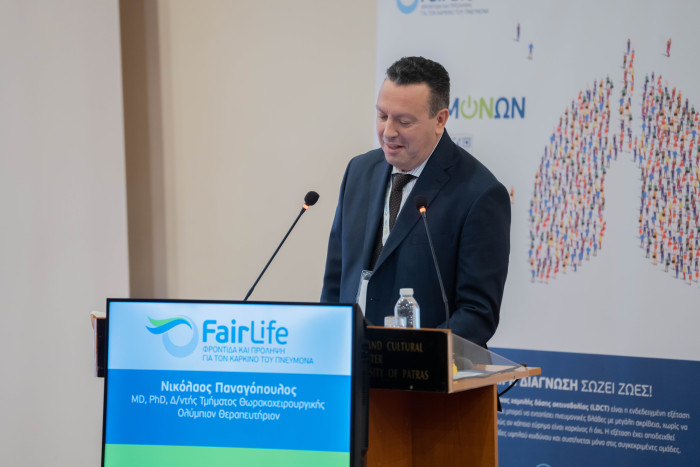
Mr. Nikolaos Panagopoulos, MD, PhD, Thoracic Surgeon, Doctor of the University of Patras, Director of the Thoracic Surgery Clinic, “Olympion” Hospital spoke about the role of the thoracic surgeon in the formation of effective management of lung cancer. “The contribution of the thoracic surgeon is important not only in surgical treatment but also in preoperative staging, identification and classification of preoperative risk and the selection of appropriate intervention with the application of newer technologies.” He pointed out that, due to the absence of early symptoms, diagnosis is often made at an advanced stage, rendering many cases inoperable. He also referred to the importance of the thoracic surgeon’s participation in the oncology council and in decisions regarding the treatment plan and the patient’s subsequent course, both before and after surgery.
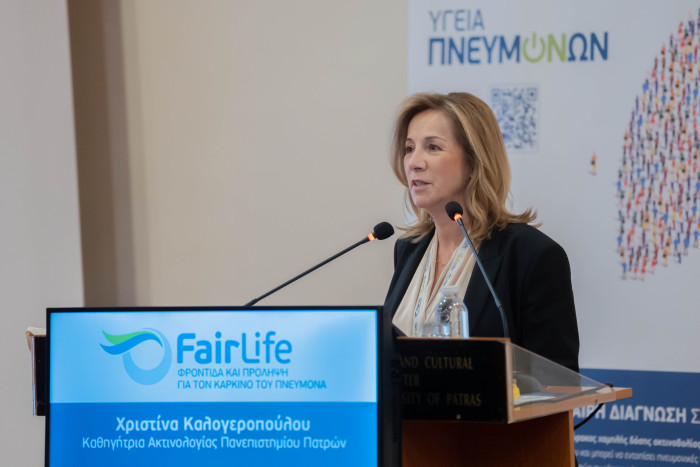
Ms. Christina Kalogeropoulou, Professor of Radiology at the University of Patras, developed the management algorithm for a solitary nodule. “Low-dose CT scanning has a primary role in the early identification of lung cancer, which appears in the form of a pulmonary nodule. It is the radiologist’s responsibility to detect, evaluate, and monitor nodules in high-risk patients. It is the radiologist’s responsibility to detect, evaluate, and monitor nodules in high-risk patients. Collaboration with a pulmonologist is important for early diagnosis and the implementation of guidelines in case management.”
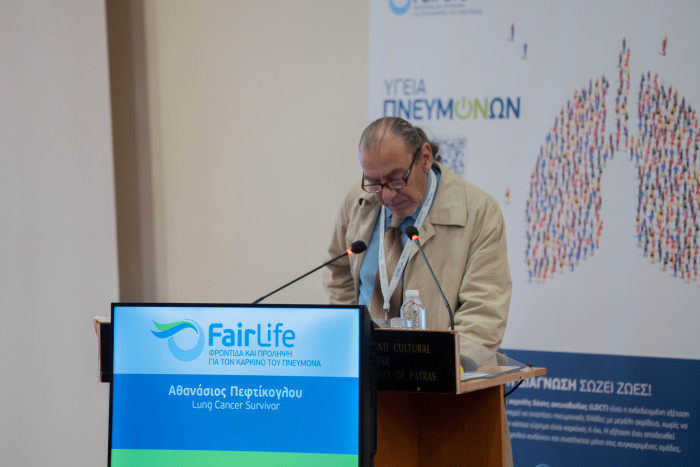
Section A closed with the experience of Mr. Athanassios Peftikoglou, a patient with lung cancer and a survivor. “Even an innocent symptom like fatigue or shortness of breath, when you are a smoker, shouldn’t go unnoticed! You should seek out, demand diagnoses. An early diagnosis saves lives… If I can pass on one message, it’s stop smoking and do not neglect your health, your life has value. . . “
SECTION B: The Role of Nurses and Psychosocial Support in the Care of Oncology Patients: Human Approach and Interdisciplinary Collaboration
Mr. Kyriakos Karkoulias, Assistant Professor of Pathology-Pulmonology and Ms. Eleni Albani, Associate Professor of Pediatric Nursing, University of Patras, Vice-Rector for Student Affairs and Culture, chaired the Second Unit of the information event on the role of oncology nurses and the interdisciplinary team for the holistic care of patients.
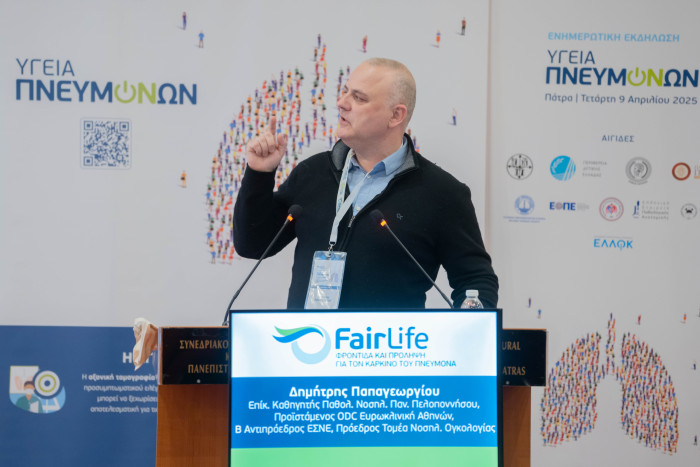
Mr. Dimitris Papageorgiou, Asst. Professor, Pathologist, University of Peloponnese Hospital, Head of ODC, Euroclinic of Athens, 2nd Vice President of ESNE, President of the Oncology Department, presented the role of the nurse in oncology care and the importance of nurse education. “The “OncoNoesis” program is offered free of charge in collaboration with FairLife L.C.C., awards and aims to specialize nurses in oncology patients and special treatments, in symptom management, burnout prevention, interdisciplinary collaboration, the connection with Universities and the care of patients in the final stage – palliative care.”
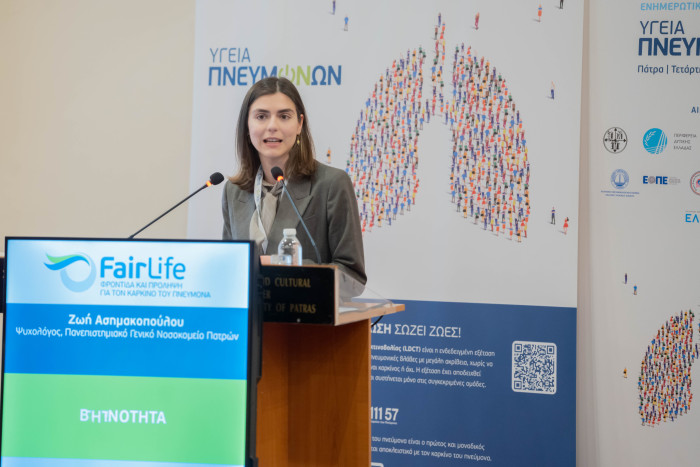
In her speech, Ms. Zoe Asimakopoulou, Psychologist, University General Hospital of Patras, referred to the psychological burden carried by people living with lung cancer and their caregivers. Ms. Asimakopoulou emphasized that the progression of the disease, the side effects of treatment and uncertainty cause anxiety, depression and emotional distress in patients and additional stress in caregivers. Additional challenges include the stigma of smoking, which leads to social isolation and intensifies the emotional burden. There are also impacts on family caregivers, hidden patients, such as emotional burden, stress after long-term burden, fatigue and exhaustion, and lack of time for self-care. “Having psychological, social and professional support reduces stress levels. Mental empowerment helps to better cope with physical symptoms.”
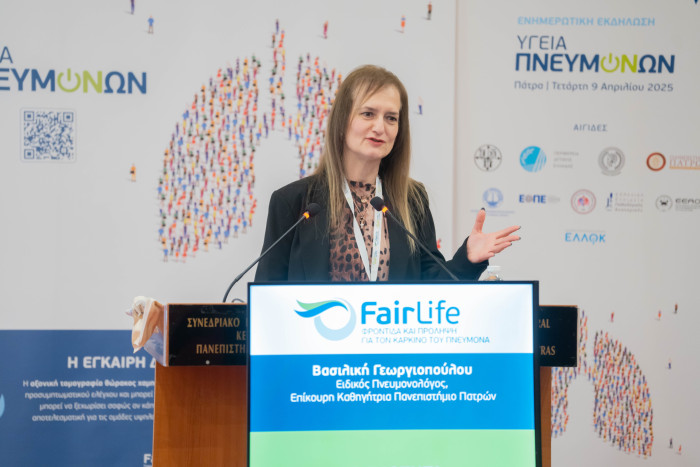
The speech by Ms. Vasiliki Georgiopoulou, Specialist Pulmonologist, Assistant Professor, University of Patras, concerned the contribution of exercise and smoking cessation to the prevention of lung cancer. “Exercise is medicine… It helps prevent CVD and achieve better treatment results… Observational studies show that exercise has anti-inflammatory effects and increases anti-inflammatory cytokines. At the cellular level, it helps the nosological regulation of patients, because it increases the activity of T lymphocytes and natural killers and improves the tumor microenvironment.”
In the end, Mr. Argyris Tzouvelekis summarized the conclusions of the conference, highlighting: “What I learned today is how important patient-centered medicine is, how close we need to be to the patient, to the person who is losing their strength, and to their caregivers. Many times, we doctors forget that our primary concern should be the patient. As far as the scientific level is concerned, I would focus on ‘believe in prevention, believe that lung cancer can become a chronic disease, one that can be cured, and this can be done only through prevention.’ Improve your daily routine, include exercise, which is psychotherapy, and get a preventive checkup with a low-dose CT scan.”
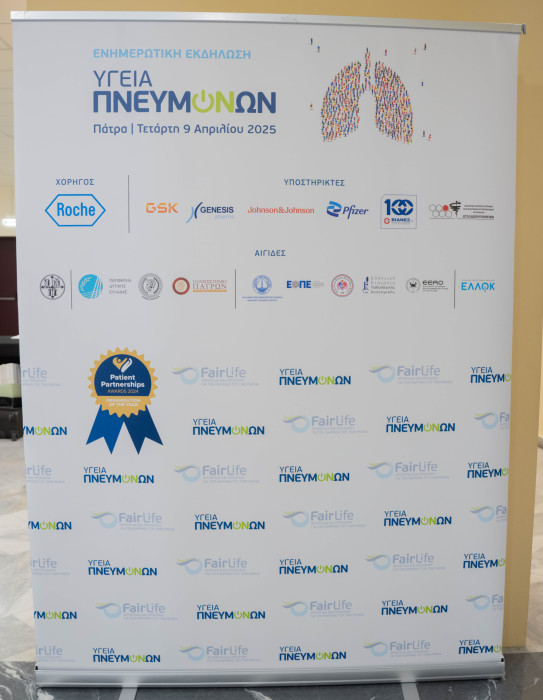
The event was held under the auspices of: Holy Metropolis of Patras, Region of Western Greece, Municipality of Patras, University of Patras, Hellenic Pulmonary Society (HPS), Greek Society of Oncologists-Pathologists (ESOP), Hellenic Society of Radiation Oncology (HSRO), Hellenic Society of Pathological Anatomy, Hellenic Society of Thoracic-Cardiac-Vascular Surgeons (HSTCVS) and Hellenic Cancer Society (HELC)
With the kind support of: Sponsor: Roche, Supporters: GSK, Genesis Pharma, Johnson & Johnson, Pfizer, Vianex, TISTODIEREVNITIKI S.A.